


Introduction to Luxor
Luxor, often referred to as the world’s greatest open-air museum, stands as a testament to Egypt’s vibrant history and rich cultural heritage. Situated on the banks of the Nile River, Luxor soared in prominence during ancient times as Thebes, the capital of Egypt during the New Kingdom period. It is revered not only for its stunning monuments and temples but also for its significance as a center of political and religious power.
The city boasts an array of monumental sites including the Valley of the Kings, where many pharaohs were laid to rest, and the magnificent Karnak Temple complex, which houses an extensive collection of temples and chapels dedicated to various deities. Each site encapsulates the remarkable architectural prowess and artistry of the ancient Egyptians, making Luxor a vital location for both tourists and historians. The intricate hieroglyphics and colossal statues found throughout these ruins offer profound insights into the lives and beliefs of the people who once thrived in this region.
Tourists flock to Luxor not only to explore these ancient ruins but also to partake in a unique cultural experience. Hot air balloon rides offering panoramas of the temples at sunrise, guided tours around the monuments, and the vibrant local markets provide visitors with a comprehensive understanding of contemporary Egyptian life woven together with its storied past. Furthermore, Luxor serves as a crucial area for archaeological research, continually revealing new findings that contribute to our understanding of ancient civilizations.
As a UNESCO World Heritage Site, Luxor’s preservation and presentation of ancient heritage place it firmly on the map for any traveler with an interest in history and archaeology. The immense cultural and historical significance of this remarkable city cements its status as one of the most important and awe-inspiring destinations in the world.
The Historical Background of Luxor
Luxor, often referred to as the world’s greatest open-air museum, carries a rich and complex history that traces back to ancient times. Originally known as Thebes, it served as the capital of Egypt during the height of the Pharaonic era, around 1550-1070 BCE, when numerous temples and monuments were constructed that still captivate visitors today.
The city’s significance can be attributed to its strategic location along the Nile River, which facilitated trade and communication within the Egyptian civilization. Thebes was a center for religious and cultural activities, as evidenced by the grand temples dedicated to gods like Karnak and Luxor. These structures not only served religious purposes but also represented the political power of the Pharaohs who commissioned their construction.
Throughout successive dynasties, Luxor became a focal point of worship, particularly for the worship of Amun-Ra, the sun god, reflecting the intertwining of politics and religion in ancient Egypt. The 18th dynasty marked a period of tremendous prosperity, during which pharaohs like Hatshepsut and Amenhotep III enhanced Luxor’s prominence. The construction of mortuary temples and tombs in the nearby Valley of the Kings solidified Luxor’s status as the burial site of pharaohs, thus emphasizing its importance in ancient Egyptian mythos surrounding the afterlife.
Additionally, the city witnessed remarkable events, including the historical reigns of notable figures such as Ramses II, known for his military exploits and monumental architecture. The innovations in art and architecture during these times contributed to Luxor’s legacy as a central hub of Ancient Egyptian civilization.
Today, the remnants of Thebes stand as a testament to its glorious past, drawing scholars and tourists alike who seek to understand the depth of its historical significance within the rich tapestry of ancient Egyptian history.
Main Attractions in Luxor
Luxor, often referred to as the world’s greatest open-air museum, is home to numerous impressive archaeological sites and attractions that provide insight into ancient Egyptian civilization. Among the most significant sites are the Karnak Temple, Luxor Temple, Valley of the Kings, and the Valley of the Queens, each offering unique experiences that draw thousands of visitors each year.
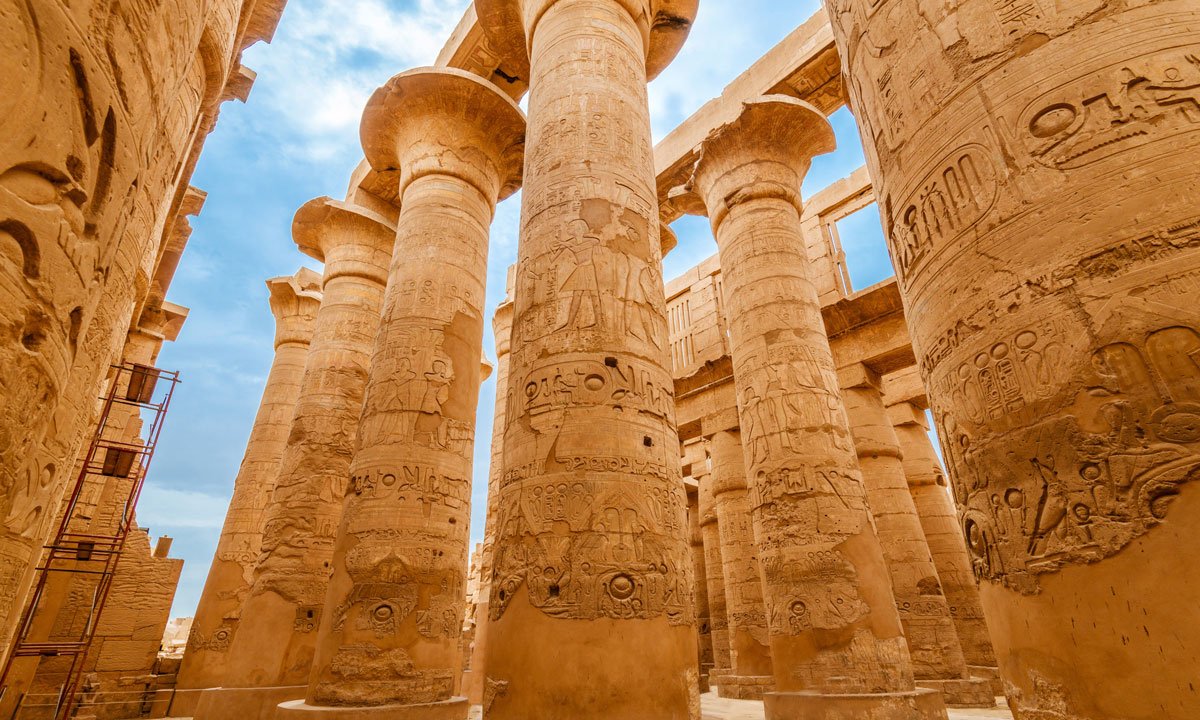
The Karnak Temple is an expansive complex famous for its colossal pillars, obelisks, and the Sacred Lake. It is dedicated to the Theban gods and includes the Great Temple of Amun, which is the largest religious building ever constructed. Visitors can explore the Hypostyle Hall, featuring 134 massive columns that soar to a height of 23 meters, and attend the Sound and Light Show that narrates the temple’s history through captivating illumination.
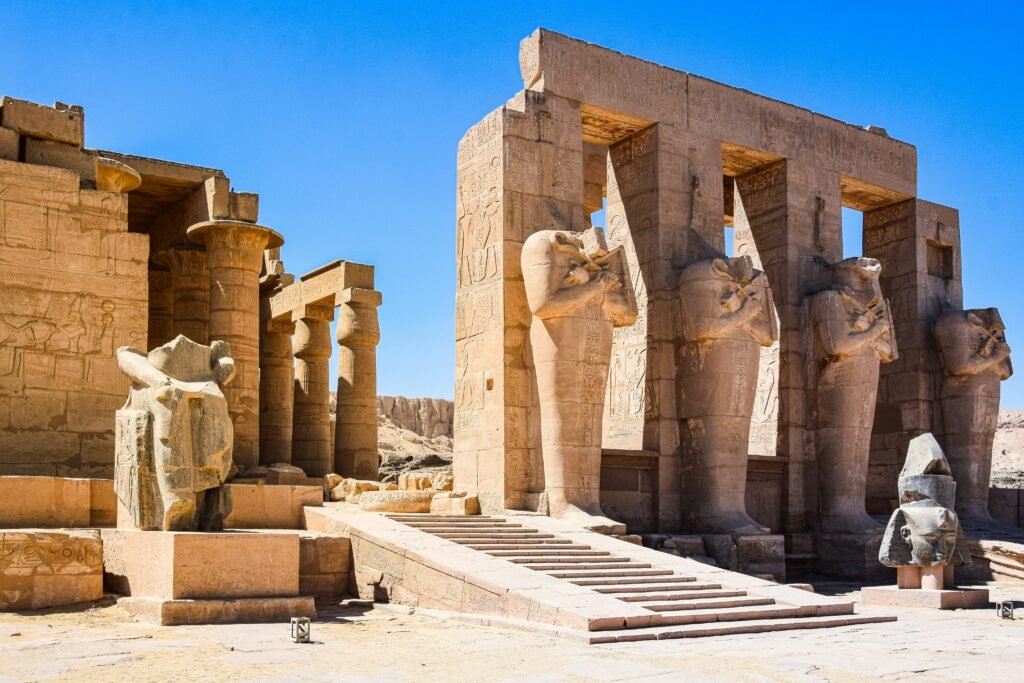
Nearby, the Luxor Temple stands as a remarkable testament to ancient architecture. Known for its grandeur, the temple houses a pair of towering obelisks and intricate carvings depicting ancient rituals. This site was not only a religious sanctuary but also a center for festivals; hence, tourists can expect to witness the temple’s vibrant reliefs and colossal statues, showcasing the artistry of the time.
Further afield lies the Valley of the Kings, where numerous Pharaohs were entombed in elaborate burial chambers. The site includes the tomb of the famous King Tutankhamun, whose treasures are celebrated worldwide. Visitors can explore several tombs, each adorned with detailed hieroglyphs and vivid wall paintings that narrate the journey to the afterlife.
Finally, the Valley of the Queens, where queens and royal offspring were buried, offers a more intimate experience. The tombs here are less crowded and showcase stunning art akin to that found in the Valley of the Kings. Notable tombs, such as that of Queen Nefertari, are renowned for their breathtaking frescoes that highlight the high quality of craftsmanship of ancient artists.
The Karnak Temple: A Marvel of Ancient Architecture
The Karnak Temple complex, located in Luxor, Egypt, stands as a testament to the architectural prowess of ancient Egyptian civilization. Spanning over 2,000 acres, it ranks among the largest religious sites ever constructed. The site is primarily dedicated to Amun-Ra, the king of the gods, and has served as a place of worship for more than two millennia. Various pharaohs, including Ramses II, Hatshepsut, and Amenhotep III, made significant contributions to the temple’s expansion, each adding their unique architectural styles and innovations.
One of the most remarkable features of the Karnak Temple is its Hypostyle Hall, which features a stunning array of 134 massive columns, some reaching heights of 23 meters. These columns are adorned with intricate carvings and stunning hieroglyphs that tell tales of the gods, royal successes, and the everyday lives of ancient Egyptians. As visitors walk through, they are surrounded by a breathtaking display of craftsmanship that provides insight into the religious beliefs and societal structure of the time.
The temple complex is also home to several smaller temples, chapels, and shrines that cater to various deities. Among these, the Temple of Khonsu, dedicated to the moon god, demonstrates the detailed artistry and spiritual significance embedded within these ancient structures. The hieroglyphs and reliefs throughout the complex not only serve an aesthetic purpose but also convey profound religious meanings, connecting ancient Egyptians with their gods and ensuring their immortality.
In essence, the Karnak Temple is not just an architectural marvel but a narrative of ancient Egypt’s grandeur and religious devotion, making it an essential part of Luxor’s open-air museum and a vital stop for those wishing to explore the splendor of ancient civilizations.
The Valley of the Kings: Tombs of the Pharaohs
The Valley of the Kings, located on the west bank of the Nile near Luxor, stands as a monumental testament to the grandeur of ancient Egyptian civilization. This renowned burial site served as the final resting place for numerous pharaohs, including the illustrious Tutankhamun, whose tomb, discovered in 1922 by Howard Carter, captivated the world with its untouched treasures. The valley comprises 63 known tombs, showcasing the elaborate burial customs and the reverence Egyptians held for their leaders.
Significantly, the tombs of the Valley of the Kings were designed to ensure a safe passage into the afterlife, reflecting the complex belief systems that shaped ancient Egyptian culture. Each tomb is a labyrinthine structure, intricately carved into the limestone cliffs, with chambers adorned with scenes depicting the journey and the gods that would guide the pharaohs through the afterlife. The artistry within these tombs is remarkable; the vibrant wall paintings and hieroglyphics serve not only as beautiful decorations but also as significant religious texts intended to protect and assist the deceased on their journey.
Moreover, ongoing archaeological efforts in the Valley of the Kings continue to reveal new insights into ancient Egyptian civilization. Contemporary scholars and excavators utilize advanced technologies like ground-penetrating radar to uncover hidden chambers, potentially containing even more secrets of the past. Each discovery adds layers to our understanding of the social, political, and religious practices of the time. Therefore, the Valley of the Kings is not merely a site of historical interest; it is an active field of research that seeks to unveil the complexities of a civilization that continues to fascinate millions across the globe.
Luxor Temple: The Heart of the City
The Luxor Temple stands as a monumental testament to the religious and political life of ancient Thebes, now known as Luxor. Constructed primarily during the reign of Amenhotep III in the 14th century BCE, this impressive structure was dedicated to the Theban Triad of Amun, Mut, and Khonsu. Its design reflects both architectural ingenuity and the profound significance the temple held within the social fabric of the city.
Covering an area of approximately 260 meters in length, the Luxor Temple is characterized by its grand colonnades, numerous statues, and refined reliefs. The massive entrance, flanked by six towering statues of Ramses II, leads visitors into a vast courtyard where rituals and ceremonies took place. The temple’s interiors are adorned with intricate hieroglyphs that tell stories of the pharaohs and divine figures, emphasizing the intertwining of the sacred and secular in ancient Egyptian culture.
Throughout Egyptian history, Luxor Temple has been a place of continual use and adaptation. Following the arrival of the Greeks, the temple experienced transformations, including the addition of a Roman colonnade under Emperor Domitian in the 1st century CE. This blending of architectural styles illustrates the temple’s significance throughout varied historical periods; not merely as a religious site, but as a symbol of power and continuity in governance. In later years, it served as a Christian church and later a mosque, showcasing its enduring legacy through centuries.
In contemporary times, the Luxor Temple remains an iconic representation of ancient Egyptian civilization and a focal point for tourism in the region. Visitors from around the world are drawn to uncover its historical layers and the narratives it encapsulates, ensuring that the heart of this ancient city continues to beat vibrantly.
Cultural and Modern Significance of Luxor
Luxor, often referred to as the world’s greatest open-air museum, is steeped in rich history and culture that continue to resonate today. The city is a focal point for both education and tourism, drawing millions of visitors who come not only to witness its ancient wonders but also to engage with its vibrant modern customs. The monuments and temples, such as the iconic Karnak and Luxor Temples, serve as critical links to Egypt’s glorious past. However, it is not only the ancient sites that provide cultural significance to the region; Luxor also embodies a living culture, highlighted through various festivals that celebrate both its heritage and contemporary life.
One of the notable festivals is the annual Luxor African Film Festival, which highlights African cinema and promotes cultural exchange among filmmakers and audiences from around the continent. This event underscores Luxor’s role as a cultural hub, encouraging local and international dialogue through the arts. Additionally, local customs, such as traditional music and dance, remain integral to community life. Residents proudly showcase their heritage through these expressions, ensuring the continuity of their cultural identity amidst the influences of globalization.
The impact of tourism in Luxor is profound. The influx of tourists directly strengthens the local economy, providing jobs and fostering entrepreneurial opportunities. The revenue generated from tourism facilitates the maintenance and preservation of ancient sites, ensuring they remain intact for future generations. However, this interplay between tourism and preservation is delicate. Efforts are made to manage visitor traffic and educate tourists about sustainable practices to minimize environmental and cultural degradation.
In summary, Luxor is not just a repository of ancient Egyptian history but a vibrant community that balances its past with the demands of modern-day life, emphasizing the importance of both cultural preservation and economic development in the face of growing tourism.
Tips for Visiting Luxor
Visiting Luxor, often considered the world’s greatest open-air museum, requires careful planning to fully embrace its rich historical and cultural offerings. One of the best times to visit Luxor is during the cooler months from October to April. The weather during this period is more suitable for exploring the ancient temples and tombs, allowing for a more comfortable experience. Daytime temperatures can rise significantly, so early morning or late afternoon visits are recommended.
Navigating Luxor can be efficiently done by hiring a local guide or joining a guided tour. This approach not only enhances your understanding of the area’s history but also simplifies transportation between sites such as the Karnak Temple, the Valley of the Kings, and the Temple of Hatshepsut. Bicycles and horse-drawn carriages are alternative transport options that provide a unique way to experience the sights while enjoying the local atmosphere.
Accommodations in Luxor range from luxury hotels to budget-friendly guesthouses. Many travelers prefer staying along the Nile for stunning views and convenient access to major attractions. Popular options include the Sofitel Winter Palace and budget choices like the Elvis Hostel, catering for all tastes and budgets.
Cultural etiquette is an essential aspect to consider when visiting Luxor. Dress modestly, especially when visiting religious sites, and be respectful of local customs. Engaging with local residents is encouraged; many are hospitable and willing to share their insights about Egyptian culture.
Lastly, consider partaking in guided tours. Many reputable companies offer comprehensive guides and tailored experiences that can significantly enhance your visit while ensuring you do not miss key historical details.
Conclusion: The Enduring Legacy of Luxor
In reflecting upon the immense historical significance of Luxor, one cannot ignore its reputation as the world’s greatest open-air museum. This remarkable city, often referred to as Thebes in ancient times, showcases an extraordinary collection of monuments, temples, and tombs that narrate the tales of ancient Egypt’s grandeur. The Valley of the Kings, the majestic Karnak Temple, and the awe-inspiring Luxor Temple stand testament to the architectural ingenuity and spiritual devotion of a civilization that has long fascinated scholars and travelers alike.
Luxor is not just a relic of the past; it is a vibrant and living museum that continues to attract millions of visitors annually. Each site within its borders offers a glimpse into the sophisticated artistry of ancient Egyptian civilization. From hieroglyphic inscriptions that detail the lives of pharaohs to the intricate carvings that bring myths and deities to life, every artifact encapsulates the profound cultural heritage that still resonates today. Moreover, the local community plays a vital role in preserving and sharing this legacy, ensuring that the stories of their ancestors are passed down through generations.
As we conclude this exploration of Luxor, it becomes evident that visiting this historical site is an unparalleled experience. The true essence of ancient Egypt comes alive within its temples and tombs, inviting travelers to immerse themselves in its storied past. We encourage readers to embark on their journey to Luxor, to walk through its corridors of time, and to appreciate the enduring legacy that continues to captivate hearts and minds across the globe. Witnessing the treasures of Luxor firsthand is not just an opportunity; it is an invitation to connect with a civilization that has shaped human history in profound ways.