


Introduction to Aswan: A Gem on the Nile
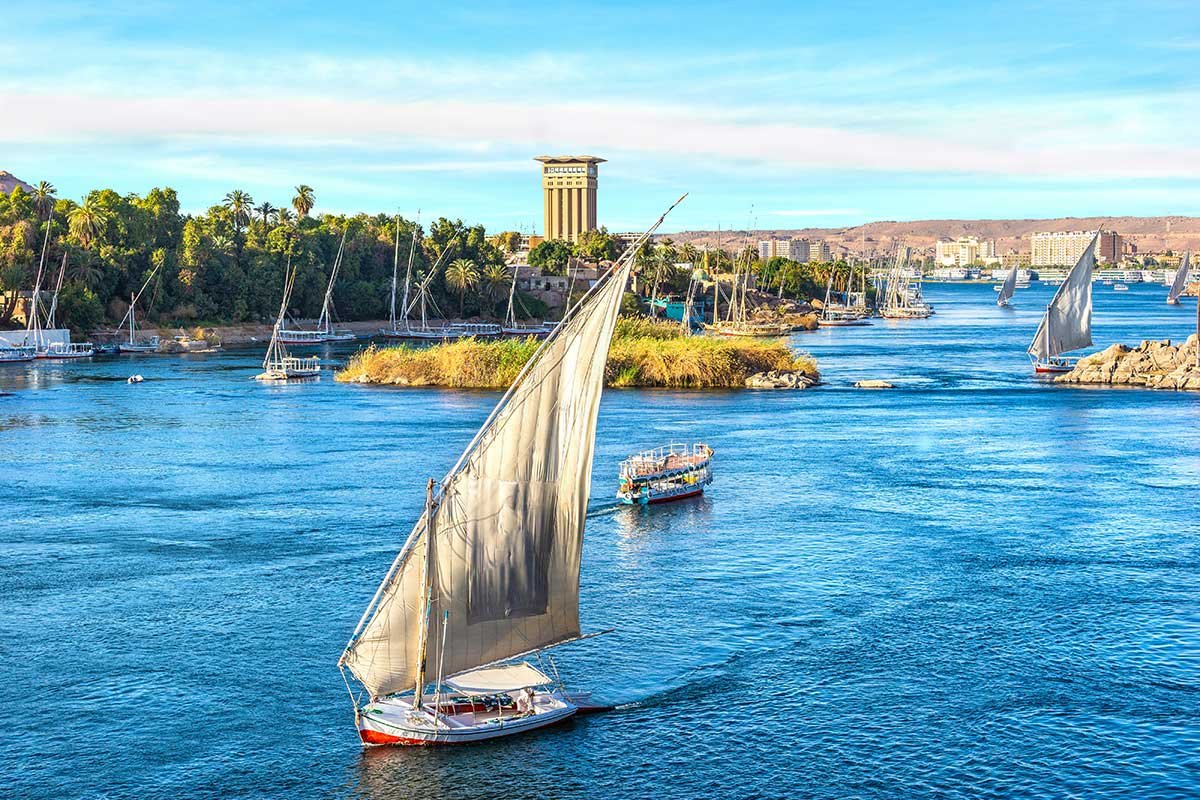
Aswan, a prominent city in Egypt, holds a unique position along the Nile River, attracting travelers with its rich history and breathtaking landscapes. Nestled in the southern part of the country, Aswan is renowned for its stunning scenery, featuring lush vegetation juxtaposed against the arid desert surrounds. The Nile, often referred to as the lifeline of Egypt, contributes to the city’s charm, offering serene views and opportunities for leisurely boat rides that reveal the beauty of the region.
Historically, Aswan served as a crucial gateway to Africa and was vital for trade routes in ancient times. The city is replete with archaeological treasures, including the famous Philae Temple dedicated to the goddess Isis, which showcases the architectural prowess of ancient Egyptians. Visitors can explore significant relics that embody the Pharaonic legacy, making Aswan an essential stop for those interested in Egypt’s cultural heritage.
In addition to its historical significance, Aswan is regarded as a tranquil escape for modern travelers seeking both serenity and adventure. The city is home to numerous natural attractions, such as the peaceful beauty of Elephantine Island and the majestic rock formations at the Aswan High Dam. These sites not only offer aesthetic pleasure but also allow visitors to connect with the natural environment of Egypt in a meaningful way.
The inviting atmosphere in Aswan encourages relaxation and reflection, making it a sanctuary for those looking to unwind amidst stunning landscapes. Many tourists visit to experience the harmonious blend of nature and history, exploring traditional Nubian villages and engaging with the local culture. Aswan stands out as a gem on the Nile, inviting exploration and appreciation while encapsulating the essence of what makes Egypt a timeless destination.
The Lush Landscapes of Aswan
Aswan, a city nestled along the banks of the Nile River in Egypt, is renowned for its striking natural scenery that presents an enchanting contrast between desert expanses and fertile greenery. The stark desert mountains rise majestically in the background, their rugged formations accentuating the beauty of the surrounding landscape. These arid terrains, characterized by shades of brown and gold, form a dramatic backdrop to the vibrant and lush banks of the Nile.
The Nile River, often referred to as the lifeblood of Egypt, flows through Aswan, creating a narrow yet flourishing green belt that dramatically contrasts with the surrounding desert. The vivid blue waters of the Nile mirror the endless sky above, providing a serene and tranquil atmosphere that appeals to both residents and visitors. The river is lined with lush vegetation, including towering palm trees that sway gently in the breeze, their fronds offering shade against the warm sun. This verdant oasis supports various plant species, contributing to the rich biodiversity of the region.
As one travels along the banks of the Nile, the scenic beauty becomes overwhelmingly apparent. Sunsets cast hues of gold and orange over the waters, highlighting the reflections of palm trees and revealing a picturesque landscape that has inspired countless artists and poets throughout history. The juxtaposition of the fertile riverbanks and the arid desert mountains create a unique ecological environment that is both captivating and serene.
The lush landscapes surrounding Aswan not only provide a feast for the eyes but also serve as a vital resource for agriculture and traditional livelihoods. Farmers take advantage of the abundant resources along the banks of the Nile, cultivating crops that flourish thanks to the regular inundation of the river. Thus, Aswan stands as a testimony to nature’s resilience and beauty, where life thrives amid the harshest climatic conditions.
The Nile River: Lifeblood of Aswan
The Nile River, renowned as one of the longest rivers in the world, plays a pivotal role in the ecology and culture of Aswan. The river not only serves as a critical water source but also sustains the vibrant ecosystem surrounding the city. The fertile banks of the Nile have enabled agriculture to flourish in an otherwise arid landscape, allowing farmers to cultivate various crops, including wheat, corn, and sugarcane. This agricultural productivity is fundamental to the region’s economy, supporting both local consumption and commerce.
Moreover, the Nile River is integral to the cultural identity of Aswan. Historically, it has been a central route for trade and communication, shaping the socio-economic landscape of the area. The river has witnessed the rise and fall of countless civilizations, leaving a rich tapestry of history that is celebrated today through festivals and local traditions. The unique relationship between the Nile and the residents of Aswan is evident in the daily routines and spiritual practices of the community. Fishermen can often be seen casting nets from feluccas, traditional wooden boats, while merchants sell fresh fish and produce harvested from the riverbanks.
The Nile’s influence extends beyond just economic and cultural realms; it also plays a vital role in the ecology of the region. The river’s seasonal floods enrich the surrounding soil, promoting biodiversity that is crucial for sustaining various plant and animal species. Consequently, the ecological balance maintained by the Nile underlines the river’s indispensable presence in daily life, making it not merely a geographical feature but a life source for the people of Aswan.
Exploring Aswan’s Historical Sites
Aswan, a city rich in history and culture, boasts an array of historical sites that reflect its ancient past and significant cultural heritage. One of the most renowned monuments is the Temple of Philae, dedicated to the goddess Isis. This stunning temple complex is situated on Agilkia Island and dates back to the Ptolemaic period. The temple not only showcases remarkable ancient Egyptian architecture but also serves as a vital religious center that played a significant role in the worship of Isis. The temple was meticulously relocated during the construction of the Aswan High Dam, highlighting its importance as a heritage site.
Another critical site in Aswan is the Aswan High Dam, an engineering marvel completed in 1970. This dam serves a dual purpose: it regulates the flooding of the Nile River and generates hydroelectric power, thus transforming Egypt’s agriculture and economy. The dam is a testament to modern Egyptian achievement, representing a significant shift in the nation’s ability to control its natural resources. It is closely tied to the history of Nile River management, showcasing how human ingenuity can overcome environmental challenges.
In addition, the unfinished obelisk provides insight into ancient Egyptian stonework techniques. Located at the Northern quarries of Aswan, it measures about 42 meters long and is believed to have been intended for the temple of Hatshepsut. Its abandonment signifies the challenges faced by ancient builders and their tools. Scholars suggest that this site reflects the monumental construction activities that characterized ancient Egyptian civilization.
These historical sites not only highlight Aswan’s significance in ancient Egyptian history but also contribute to the city’s identity today. Visitors to Aswan are offered an unparalleled glimpse into the past, with each monument telling its unique story of cultural endurance and historical relevance.
Wildlife and Flora of Aswan
Aswan, located along the banks of the majestic Nile River, showcases a unique and diverse ecosystem enriched by its distinctive geography. The native fauna is particularly vibrant, with the region being home to a plethora of bird species that thrive in its arid climate. Ornithologists and birdwatchers will find Aswan a fascinating destination as they encounter various migratory and resident birds, including the striking Sudan Golden Sparrow, the Nile Valley Sunbird, and numerous waders found along the riverbanks. Within the surrounding habitats, birding opportunities abound, particularly in the nearby wetlands and agricultural fields.
The flora of Aswan is no less impressive, with plant life adapted to the hot, dry environment. The area features unique vegetation, including date palms, acacias, and a variety of desert wildflowers that bloom after seasonal rains. These plants not only contribute to the landscape’s beauty but also play essential roles in the local ecosystem, supporting various animal species. In particular, the complex interdependence between plants and animals fosters a rich biological diversity significant to Aswan’s environment.
Ecotourism has gained traction in Aswan, driven by the region’s ecological health and the growing interest in sustainable travel. Natural reserves such as the Nabq National Park offer wildlife enthusiasts exceptional opportunities to explore and observe the thriving ecosystems. Visitors can participate in guided tours that focus on conservation while learning about the native wildlife, plant species, and their habitats. Additionally, local initiatives aimed at preserving the natural landscape encourage responsible tourism practices, ensuring that Aswan’s rich biodiversity can be enjoyed by generations to come.
Cultural Heritage and Local Festivals
Aswan, situated along the banks of the majestic Nile, boasts a rich tapestry of cultural heritage that contributes to the region’s unique charm. The city is known for its vibrant local festivals that celebrate both ancient traditions and contemporary life. These events are an integral part of Aswan’s cultural landscape, showcasing the artistic expressions and social customs that have evolved over centuries.
One of the most notable festivals is the Aswan International Festival of Culture and Arts, where artists, musicians, and performers from various backgrounds converge to share their talents. This festival not only highlights the region’s rich artistic heritage but also serves as a platform for the local community to engage with global cultures. The festival’s activities often include traditional dance performances, music concerts, and art exhibitions, inviting both locals and visitors to appreciate the diverse cultural expressions.
In addition to festivals, Aswan is famous for its traditional crafts, which include intricate handicrafts such as pottery, weaving, and jewelry making. Local artisans utilize age-old techniques to create beautiful items that reflect the city’s heritage. Visitors have the opportunity to explore artisan markets, where they can purchase unique souvenirs while directly supporting local craftsmen.
The culinary scene in Aswan also offers a taste of its cultural heritage. Traditional dishes made from locally sourced ingredients reflect the flavors of the region, often incorporating spices and herbs that are characteristic of Egyptian cuisine. Street food vendors and local restaurants provide a delicious experience for those wishing to indulge in authentic meals that highlight the community’s culinary skills.
Overall, the cultural heritage and local festivals of Aswan are not merely forms of entertainment; they are expressions of identity that connect the community with its history and environment. This distinctive blend of culture and tradition significantly enhances the appeal of Aswan as a destination, drawing visitors eager to immerse themselves in the tranquil beauty of the Nile and its surroundings.
Activities for Nature Lovers
Aswan, located along the majestic Nile, offers a plethora of activities tailored for nature enthusiasts seeking to immerse themselves in its tranquil beauty. One of the most popular ways to experience the serenity of the Nile is through boat rides. These leisurely excursions allow visitors to glide across the water, surrounded by stunning landscapes and unique wildlife. Sailboats and feluccas provide not just transportation but a chance to connect with the river’s timeless essence, making it an ideal activity for those wishing to unwind and appreciate nature.
In addition to boat rides, visiting the various botanical gardens in the area is an enriching experience for nature lovers. The Aswan Botanical Garden, located on Kitchener Island, is home to a diverse collection of flora from around the world. Here, visitors can stroll through lush pathways lined with exotic plants and vibrant flowers, providing a serene environment for reflection and exploration. This tranquil setting is perfect for those who enjoy photography, bird watching, or simply absorbing the beauty of the natural world.
Moreover, hiking in the surrounding hills of Aswan is another rewarding activity. The panoramic views of the Nile and the desert landscapes from the heights are nothing short of breathtaking. Trails vary in difficulty, catering to both adventurous trekkers and those preferring casual walks. These hikes not only promote physical well-being but also foster a deeper connection with the natural environment. With every step, hikers are enchanted by the sights and sounds that define Aswan’s unique ecosystem.
In essence, the activities available for nature lovers in Aswan—ranging from serene boat rides to enlightening hikes and botanical explorations—encourage a profound appreciation for the area’s tranquil beauty. Engaging in these pursuits fosters a lasting bond with nature and the splendor of the Nile, inviting a sense of peace and rejuvenation that resonates long after the experience.
Practical Tips for Visitors
Aswan, known for its serene beauty along the Nile, offers visitors a unique experience, rich in cultural heritage and natural wonders. To ensure a fulfilling and enjoyable visit, here are some essential travel tips.
First and foremost, the best time to visit Aswan is between October and April. During these months, the weather is pleasantly warm, making it ideal for sightseeing and outdoor activities. The peak tourist season occurs from December to February, during which travelers can expect larger crowds and higher accommodation prices. Therefore, for a more tranquil experience, visiting in the shoulder months of October or April can be a wise choice.
It is important to respect local customs while visiting Aswan. The city is predominantly Muslim, and while it is welcoming to tourists, modest dress is advisable, particularly when visiting religious sites. Additionally, it is customary to greet locals with a friendly “Salaam” (peace) to foster goodwill.
Transportation within Aswan is quite accessible, with various options available. Taxis and microbuses are widely utilized for getting around town. However, it is recommended to negotiate taxi fares prior to embarking on your journey to avoid misunderstandings. For those seeking a more immersive experience, traditional felucca sailing on the Nile provides a unique way to explore the local landscape and enjoy the tranquillity of the river.
To truly make the most of your visit, consider setting aside time to explore the cultural sites such as the Philae Temple and the Nubian Museum. In addition, engage with local artisans to appreciate Aswan’s vibrant craft scene. These experiences not only enrich your understanding of the city’s heritage but also support the local economy.
Conclusion: The Serenity of Aswan
Aswan, poised gracefully along the banks of the Nile, offers an unparalleled blend of natural beauty and rich historical significance. This remarkable destination captivates visitors with its stunning landscapes, from the tranquil waters of the Nile to the arid charm of the surrounding deserts. The scenic allure of Aswan is complemented by its significant archaeological sites, such as the Philae Temple and the Unfinished Obelisk, which serve as poignant reminders of Egypt’s storied past.
The city’s serene atmosphere is palpable, nurtured by the gentle flow of the Nile and the warm hospitality of its residents. Aswan stands out not only for its breathtaking views but also for its cultural vibrancy, exemplified by the local markets and traditional Nubian villages. Each experience in Aswan allows travelers to delve deeper into a world steeped in history while enjoying a peaceful ambiance that is increasingly rare in today’s bustling travel landscape.
For those seeking an escape from the hurried pace of modern life, Aswan presents an ideal retreat. The city invites visitors to embrace moments of reflection by its calm waters and lose themselves in the beauty of its natural surroundings. Whether exploring ancient temples, cruising along the Nile, or simply soaking in the mesmerizing landscape, Aswan promises a tranquil experience that resonates with every traveler.
In summary, the serenity of Aswan, underpinned by its rich heritage and spectacular vistas, makes it a perfect destination for those in search of relaxation and inspiration. It is an invitation to witness the harmonious blend of nature and history, and thus, a visit to Aswan would be an enriching experience for anyone looking to explore the tranquil beauty along the Nile.