

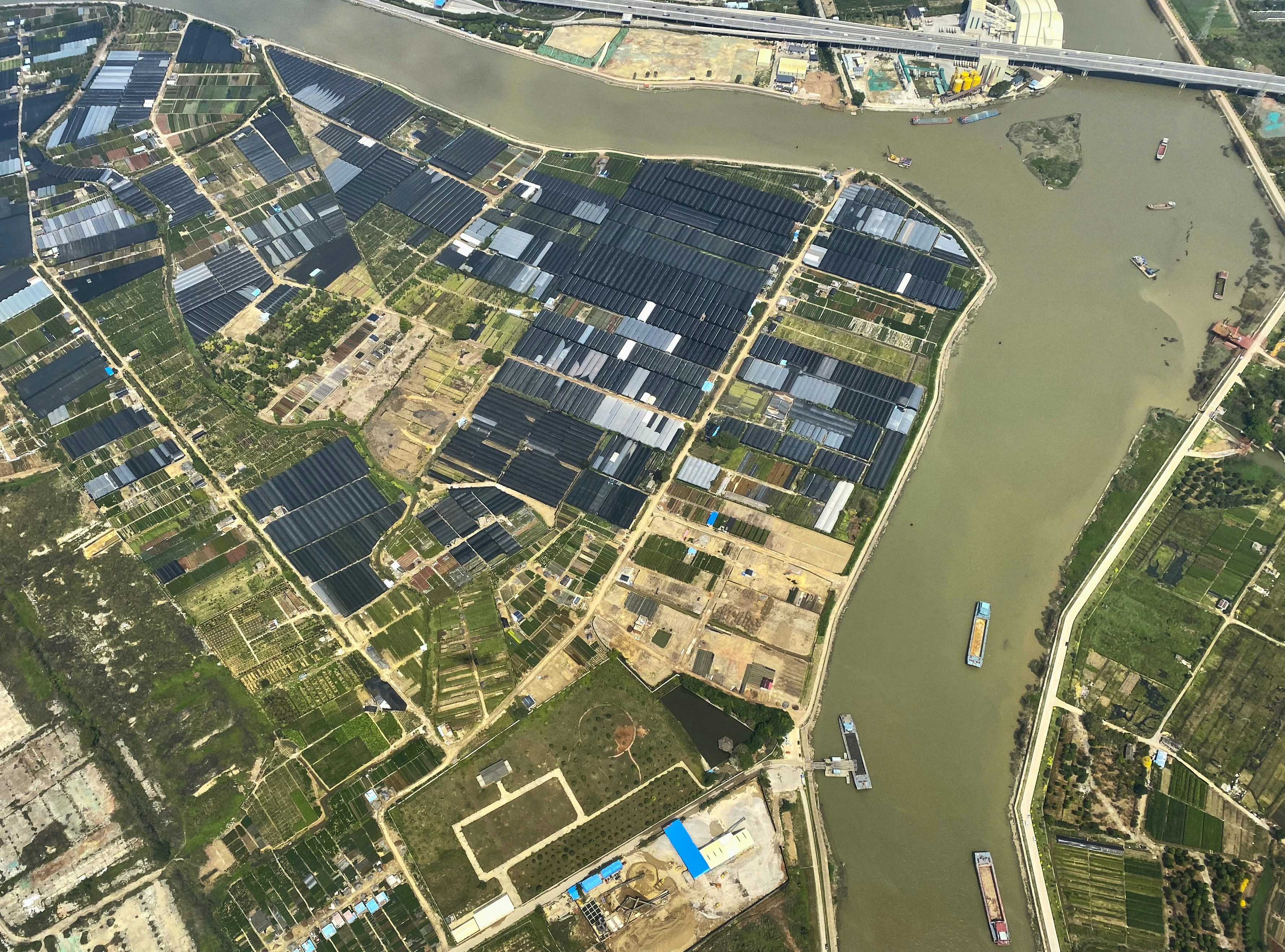

Introduction to the Nile River
The Nile River, often hailed as one of the longest rivers in the world, stretches an impressive length of approximately 6,650 kilometers (4,130 miles), traversing multiple countries in northeastern Africa. Originating from two major tributaries, the White Nile and the Blue Nile, it flows predominantly through Egypt and Sudan, before finally draining into the Mediterranean Sea. This vital waterway not only serves as a critical source of freshwater but plays an essential role in the ecological and cultural fabric of the regions it traverses.
Geographically, the Nile is characterized by its meandering course, which is shaped by the diverse topography of the African landscape. From its source in East Africa to its delta in Egypt, the river showcases a variety of environments, including lush wetlands and arid desert regions. The Nile’s fertile banks are a direct result of annual floods, which deposit nutrient-rich silt, fostering agriculture – a foundational aspect of ancient and modern Egyptian civilization.
Flowing through eleven countries in total, including Uganda, Ethiopia, and Kenya, the Nile has been integral to the development of societies along its banks. Its waters are crucial not only for irrigation and agriculture but also for transportation, commerce, and even spiritual practices. Throughout history, the river has inspired countless myths and legends, solidifying its status as a cultural icon for the Egyptian people.
Given its geographical and cultural significance, understanding the Nile’s role in shaping both the ancient and modern landscapes of the region is essential. This river serves as a lifeline, underscoring the interconnectedness between the environment and human development in Egypt and its neighboring countries.
Historical Importance of the Nile
The Nile River has served as a pivotal lifeline for the civilizations that have flourished along its banks, particularly in ancient Egypt. This majestic river not only provided essential water resources but also shaped the agricultural calendar and economic practices of the region. The annual flooding of the Nile, known as the inundation, deposited nutrient-rich silt on the surrounding fields, facilitating the cultivation of crops such as wheat and barley. This natural irrigation was instrumental in transforming the arid landscape of Egypt into a fertile agricultural hub, allowing the ancient Egyptians to sustain a growing population.
Transportation and trade along the Nile were also profoundly affected by its geographical features. The river served as a primary means of transport, linking various regions, cities, and communities throughout Egypt. Boats laden with goods, such as papyrus, grain, and craft items, traversed its waters, enabling trade both locally and with neighboring cultures. This facilitated not only economic prosperity but also cultural interchange, establishing Egypt as a central player in ancient trade networks.
Throughout history, key historical events were closely tied to the Nile’s presence. Its predictable flooding patterns were a source of stability and predictability for the civilization, allowing for the establishment of a calendar that aligned agricultural activities with the inundation. Moreover, the Nile played a critical role during military campaigns and migrations, with armies utilizing the river’s course for strategic movement. Notably, the construction of monuments and cities, such as the great pyramids of Giza, was inherently linked to the proximity and accessibility of the Nile, showcasing the river’s overall significance in the structuring of ancient Egyptian society.
The Nile’s Role in Agriculture
The Nile River has been a fundamental element in the agricultural landscape of Egypt since ancient times, and its importance remains highly relevant in contemporary practices. The annual flooding of the Nile, which typically occurs between June and September, historically deposited nutrient-rich silt along its banks. This natural irrigation system rejuvenates the land and significantly enhances its fertility, making it one of the most productive agricultural regions in the world. The combination of the river’s cycle and the resulting alluvial deposits has created an environment suitable for various crops.
Egyptian farmers have long relied on the Nile’s waters to sustain their livelihoods. The river facilitates the cultivation of staple crops such as wheat and barley, which are crucial for both local consumption and export. Additionally, the Nile supports the growth of fruits and vegetables, contributing to the nation’s food security. The dependable water supply from the Nile enables farmers to practice irrigation, allowing for the cultivation of crops even during dry seasons, further benefiting Egypt’s agricultural sector.
In contemporary agriculture, advancements in irrigation technology have allowed for more efficient water use from the Nile, adapting to the challenges posed by climate change and population growth. Farmers are now implementing modern techniques that optimize water resources while preserving the delicate ecosystem of the river. Programs aimed at sustainable agriculture are essential to ensure that the Nile continues to provide the necessary resources for Egypt’s crops.
In conclusion, the Nile River not only serves as a lifeline for agricultural development in Egypt but also represents a rich history of farming practices interconnected with the river’s seasonal rhythms. Its lasting impact on the fertility of the land underscores the need for careful management and preservation to sustain agricultural productivity for future generations.
The Nile as a Source of Water
The Nile River stands as the lifeblood of Egypt, representing the primary source of freshwater for a nation largely characterized by arid desert landscapes. This vital waterway stretches approximately 6,650 kilometers, serving not just as a geographical landmark, but more crucially as a reservoir of sustenance for millions of Egyptians. Without the Nile, the ability to access clean drinking water would be significantly hampered, threatening not only individual health but also the overall well-being of communities.
Historically, the Nile has played a central role in the daily lives of the Egyptian populace. It supports various activities, from agriculture to sanitation, ensuring that the country’s development has a strong foundation rooted in access to adequate water supplies. The river’s annual flooding was once a natural event that replenished the farmland adjacent to its banks with essential nutrients, thus enhancing agricultural productivity. Modern advancements have since diminished the dependence on seasonal flooding, yet the necessity of the Nile’s waters remains indispensable.
In recent years, the challenge of ensuring equitable access to this crucial resource has intensified. Growing populations and increased demand for water can lead to conflicts, as various sectors—ranging from agriculture to urban development—vie for this limited resource. Additionally, climate change poses an underlying threat, potentially affecting precipitation patterns and river flow rates. As such, it becomes imperative for Egypt to adopt sustainable water management practices to maintain the Nile River’s quality and quantity, ensuring that it continues to be a reliable source of freshwater not just for current generations but for many future ones as well. The Nile’s survival is paramount for the livelihoods it supports, making it a critical focal point for any discussions surrounding water resource management in Egypt.
Cultural Significance of the Nile
The Nile River holds a profound cultural significance for Egypt, serving not only as a source of sustenance but also as a pivotal element in the nation’s identity. For millennia, the Nile has been revered in Egyptian society, finding expression in various forms of art, literature, and religious practices. From ancient hieroglyphics to modern interpretations, the river’s representation in art is rich and varied. The motifs of the Nile often celebrate its life-giving water, depicting the river as a nourishing force that sustains both the Egyptian populace and its fertile lands.
Literature, too, has embraced the Nile, with countless works highlighting its pivotal role in the daily lives of Egyptians. Poets and storytellers have woven narratives that celebrate the river’s grandeur and its rhythmic influence on the cyclical nature of agriculture. The seasonal flooding of the Nile, carrying rich silt, has been romanticized and acknowledged as a divine blessing, illustrating a deep-rooted appreciation for the river’s contributions to farming and food production.
Religiously, the Nile is often personified in various deities; it has been associated with Osiris, the god of the afterlife, who symbolizes fertility and rebirth. Ancient Egyptians performed rituals and ceremonies to honor the river, reinforcing its integral role in both their spiritual and everyday lives. The river’s water is considered sacred, embodying the essence of life that flows through the heart of Egypt.
Today, Egyptians still regard the Nile River with a sense of reverence. It continues to be a vital component of cultural celebrations and festivals, underscoring its ongoing relevance in the national consciousness. This multifaceted cultural significance underscores the enduring relationship between the Nile and the people of Egypt, reflecting centuries of gratitude and respect for the river that has shaped their civilization.
Impact of the Nile on Trade and Economy
The Nile River represents more than a mere geographical feature; it is the backbone of Egypt’s trade and economy. Historically, the river has served as a vital artery, facilitating the movement of goods, people, and ideas across the region. The abundance of resources that the Nile provided, such as fish, fertile soil, and water for irrigation, enabled the emergence of agrarian societies that can now be seen as the foundation of Egypt’s economy.
With the ability to cultivate crops along its banks, the Nile allowed ancient Egyptians to produce surplus agricultural products. This surplus created opportunities for trade not only within Egypt but also with neighboring regions, including Nubia and the Levant. The river’s navigability further enhanced trade relations, enabling merchants to transport goods such as grain, papyrus, and textiles. This led to the establishment of trade routes that extended beyond Egypt, effectively integrating the country into a broader economic landscape.
Additionally, the Nile’s seasonal flooding deposited nutrient-rich silt onto adjacent lands, which improved agricultural yields. These improvements were pivotal for economic growth, as plentiful harvests ensured a stable food supply and the ability to support larger populations. Economically, the surplus facilitated the development of a class of artisans and traders, significantly contributing to urban growth and the rise of complex societies.
Furthermore, the river helped to forge connections between diverse cultures and facilitated not only the exchange of goods but also of technology and knowledge. The parity of exchange that the Nile sustained with other regions afforded Egypt a wealthier economy, enabling it to become a dominant power in ancient times.
Modern Challenges Facing the Nile
The Nile River, which has been the lifeblood of Egypt for centuries, is currently facing several pressing challenges that threaten its sustainability and the well-being of the millions who depend on it. Among these challenges is pollution, which has escalated due to rapid urbanization, industrial activities, and agricultural runoff. Waste discharged from cities and factories, combined with fertilizers and pesticides from farms, has severely degraded the water quality. As a result, not only is the aquatic ecosystem at risk, but the health of communities relying on this water source is equally endangered.
Another significant challenge comes from climate change, which is altering rainfall patterns and leading to unpredictable flooding and droughts in the Nile Basin. These climatic impacts disrupt the natural flow of the river, affecting the availability of water, which is critical for drinking, agriculture, and hydroelectric power generation. The increased variability in hydrological cycles poses a serious threat to food security and economic stability, particularly in agricultural regions where dependence on the Nile is greatest.
Moreover, geopolitical tensions among countries that share the Nile River further complicate the issue. As various nations pursue agricultural development and hydroelectric projects, competition for water resources intensifies. This has led to disputes over water rights and allocations, particularly concerning projects like the Grand Ethiopian Renaissance Dam (GERD). Such conflicts can exacerbate existing tensions, leading to a more precarious situation for all nations involved.
These interconnected challenges—pollution, climate change, and geopolitical tensions—underscore the need for cooperative management of the Nile River. Sustainable practices and collaborative efforts among Nile Basin countries are essential to ensure the long-term viability of this crucial waterway and the populations that rely upon it.
Conservation Efforts and Future of the Nile
The Nile River, often regarded as the lifeblood of Egypt, has been the focal point of various conservation initiatives aimed at protecting its unique ecosystem and ensuring its sustainability for future generations. The Egyptian government, in conjunction with numerous non-governmental organizations (NGOs), has implemented strategies to address the challenges facing the river, including pollution, over-fishing, and the impacts of climate change.
One of the primary efforts involves enhancing water management practices. The Ministry of Water Resources and Irrigation has launched several projects aimed at improving irrigation efficiency, which reduces water wastage and runoff. By promoting sustainable agricultural practices, the government seeks to lessen the environmental impact of farming along the Nile. These initiatives are essential in balancing the needs of agriculture, which is heavily reliant on the river, with the preservation of the surrounding environment.
Moreover, numerous NGOs are actively involved in educating local communities about the significance of the Nile and the urgent need for its conservation. Through workshops and outreach programs, these organizations raise awareness about pollution issues, encouraging citizens to adopt more eco-friendly practices. Additionally, efforts to restore wetlands along the Nile help in filtering pollutants and providing habitats for diverse wildlife, thereby enhancing the river’s ecological health.
Another noteworthy aspect of the conservation initiatives includes regional cooperation among Nile Basin countries, which is pivotal for addressing transboundary water management issues. Collaborative partnerships are being formed to ensure that all countries sharing the Nile can work towards common goals in safeguarding the river’s resources. Such strategies underscore the importance of collective action in preserving this vital waterway.
Overall, these concerted conservation efforts represent a crucial step towards sustaining the Nile River for the future, ensuring that it continues to support not only the Egyptian populace but also the rich biodiversity of the region.
Conclusion: The Enduring Legacy of the Nile
The Nile River has undeniably played a transformative role in shaping Egypt, serving as a crucial resource since ancient times. Its waters have enabled agriculture to flourish, providing sustenance for the population and fostering the rise of one of the greatest civilizations in history. The river’s annual flooding deposited nutrient-rich silt along its banks, which not only enhanced crop yields but also supported a multitude of ecosystems that became vital to the survival of both flora and fauna.
In contemporary times, the Nile continues to be a lifeline for millions, sustaining various livelihoods ranging from farming to fishing. The river’s basin supports a significant portion of Egypt’s agricultural production, thus continuing its legacy as a cornerstone of economic stability in the region. Moreover, the Nile has been an enduring cultural symbol that has featured prominently in Egyptian art, literature, and mythology, further embedding its significance in the national identity.
Looking towards the future, the Nile’s vitality remains critical as Egypt confronts challenges such as climate change and water scarcity. The ongoing management of this precious resource and international negotiations highlight the global importance of the Nile, emphasizing that its preservation is essential not only for Egypt but for the surrounding nations as well. The cooperative efforts among countries sharing the Nile River underscore its pivotal role in fostering peace and development across borders.
In summary, the Nile River is more than just a geographical feature; it is a lifeblood that has shaped Egypt’s historical trajectory and will continue to influence its path forward. As we recognize the Nile’s enduring legacy, safeguarding its future generations will remain paramount for ecological, economic, and cultural sustainability in the region.