

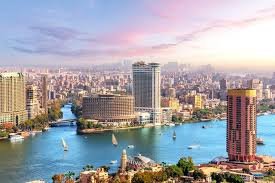

Introduction to Cairo: A City Like No Other
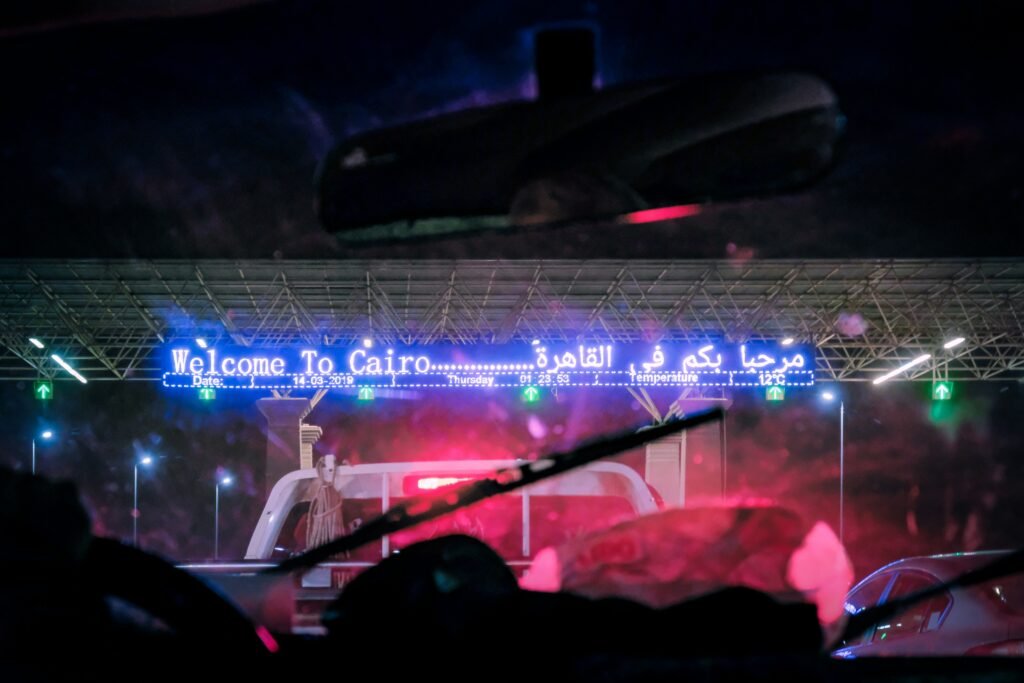
Cairo, the bustling capital of Egypt, is a city that embodies the rich tapestry of history, culture, and spirituality. Renowned for its historical significance, Cairo serves as the heart and soul of Egypt, where ancient traditions meet modern urban life. Established in the 10th century, this vibrant metropolis has evolved over the centuries, reflecting the various civilizations that have called it home. From the majestic pyramids of Giza, which stand as testaments to the ingenuity of ancient Egyptians, to the contemporary architectural marvels that dot the skyline, Cairo is a fascinating blend of old and new.
As the largest city in the Arab world, Cairo is often referred to as “The City of a Thousand Minarets” due to its stunning array of Islamic architecture. Visitors are captivated by the striking contrast between bustling marketplaces, such as Khan El Khalili, and the serene beauty of historical mosques, including the famed Al-Azhar Mosque and the Citadel. This unique combination of cultural gems makes Cairo a significant pilgrimage site for both spiritual seekers and history enthusiasts alike.
Furthermore, Cairo’s position on the banks of the Nile River contributes to its allure. The Nile is not only a source of life for the region but also serves as a historical route that facilitated trade and cultural exchange for millennia. Today, the river remains a central feature of Cairo’s identity, inspiring countless stories, art, and music that echo the city’s vibrant past.
In essence, Cairo is more than just the political capital of Egypt; it represents the heart that pulses with the rhythm of a nation rich in diversity and history. This blog post will delve deeper into the various aspects that make Cairo a remarkable place to explore, uncovering the layers that contribute to its status as a cultural and historical hub.
Historical Significance of Cairo
Cairo, often regarded as the heart of Egypt, boasts a rich historical tapestry that dates back to its founding in the 10th century. Originally established as Al-Qahirah, meaning ‘the victorious,’ by the Fatimid Caliphate, it emerged as a crucial center of power and culture in the Islamic world. Over the centuries, the city evolved through various dynasties, each leaving an indelible mark on its architectural and cultural landscape.
During the Islamic Golden Age, particularly between the 8th and 13th centuries, Cairo emerged as a beacon of learning and scholarship. It was home to Al-Azhar University, one of the oldest universities in the world, which became a significant center for Islamic scholarship and education. Scholars from various regions gathered to exchange knowledge, making the city a pivotal hub for intellectual pursuits. Notably, this era saw advancements in various fields such as science, philosophy, and the arts, further elevating Cairo’s status within the Islamic world.
The city’s historical significance is further highlighted by its role in trade. Its geographic position at the crossroads of Africa, Europe, and Asia allowed it to flourish as a commercial center. Markets, or souks, filled with merchants trading spices, textiles, and precious metals became a vibrant part of daily life in the city, fostering economic growth and cultural exchange.
Throughout its history, Cairo has witnessed the rise and fall of empires, from the Mamluks to the Ottomans, each contributing to the city’s dynamic evolution. This rich historical narrative not only underscores Cairo’s importance in Egypt but also its lasting influence on the global stage as a center of culture, learning, and commerce.
Cairo’s Architectural Marvels
Cairo, often referred to as the heart of Egypt, is a city that showcases a remarkable tapestry of architectural styles, reflecting its rich cultural and historical diversity. At the forefront of Cairo’s architectural heritage are the ancient pyramids and the Sphinx of Giza, which stand as enduring symbols of ancient Egyptian civilization. The Great Pyramid, originally built as a tomb for Pharaoh Khufu, is not only a marvel of engineering but also a testament to the sophisticated knowledge of architects and builders 4500 years ago.
Transitioning from ancient to Islamic architecture, Cairo presents an extraordinary array of mosques and palaces, particularly within the Islamic Cairo district. The Mosque of Ibn Tulun, established in the 9th century, is one of the city’s oldest mosques. Its unique blend of simplicity and grandeur, characterized by a large courtyard and a minaret that resembles the spiral of a snail shell, reflects the architectural ingenuity of the era. Another iconic structure is the Al-Azhar Mosque, renowned for both its religious significance and its intricate design, which incorporates elements from various architectural styles over centuries.
The Citadel of Saladin, built in the 12th century, is an impressive fortress that dominates the skyline with its formidable walls and the magnificent Mosque of Muhammad Ali, which features a stunning dome and elegant minarets. The interplay of light and shadow in this structure showcases the beauty of Islamic architecture while serving as a symbol of Egypt’s historical power.
As visitors wander through the streets of Cairo, they encounter a juxtaposition of modern and historical architecture, where colonial-era buildings and contemporary designs harmoniously coexist. This architectural diversity not only enhances the visual landscape of the city but also represents the layered history of a metropolis that has been a crossroads of cultures for millennia, making it an unparalleled destination for those interested in experiencing the essence of Egypt through its buildings.
Cultural Melting Pot: Traditions and Festivals
Cairo, the bustling capital of Egypt, stands as a remarkable cultural melting pot where diverse traditions and festivals coalesce. This vibrant city is teeming with a rich tapestry of religious and cultural influences, largely shaped by its various ethnic groups, including Egyptians, Copts, and Bedouins. Each group contributes unique customs and practices that enhance the city’s multifaceted identity.
One of the most anticipated celebrations in Cairo is Ramadan, during which the Muslim community engages in fasting and reflection. The atmosphere becomes electrified with nightly festivities as families and friends gather to break their fast with traditional meals. Souks and streets are adorned with colorful lanterns, fostering a sense of community and joy. After Ramadan, the festival of Eid al-Fitr caps off this holy month and is celebrated with great fervor. People partake in special prayers, communal meals, and gift exchanges, which further deepens cultural ties.
Coptic Christmas and Easter also command significant attention in the city. The Coptic Christian community, which is an integral part of Cairo’s cultural landscape, celebrates these occasions with unique traditions, including the preparation of specific dishes and attending church ceremonies. This inclusion of Coptic customs in the cultural fabric of Cairo is a testament to the city’s religious diversity.
Additionally, the Bedouins contribute their unique heritage and customs, often showcased through folklore, music, and dance. Festivals honoring Bedouin traditions highlight their resilience and connection to the desert, displaying traditional handicrafts, poetry recitals, and music performances that narrate their history.
The convergence of these celebrations illustrates the intricate interweaving of customs and festivals that characterize Cairo’s essence. This dynamic blend fosters understanding and respect among its residents, making the city a true reflection of Egypt’s vibrant culture.
The Vibrancy of Cairo’s Markets and Food Scene
Cairo, a city steeped in rich history and culture, is equally renowned for its vibrant markets, known as souks, and its dynamic culinary scene. Among the many markets, Khan El Khalili stands out as a bustling hub that attracts both locals and tourists. This market is more than just a shopping destination; it is a living testament to the city’s commercial spirit. Visitors can explore narrow alleyways lined with shops selling everything from intricate jewelry to handwoven textiles, each infused with the essence of Egyptian craftsmanship.
The sensory experience of wandering through these markets is unparalleled. The air is filled with the scent of spices and the sounds of merchants calling out their wares. The vibrant colors of the produce and handcrafted goods create a feast for the eyes, embodying the lively trade that has occurred in this city for centuries. Engaging with local vendors not only offers the chance to acquire unique items but also provides insights into the daily lives and culture of the Egyptian people.
Cairo’s food scene complements its markets, presenting a rich tapestry of flavors that reflect its cultural diversity. Traditional dishes such as koshari, a hearty blend of rice, lentils, and pasta topped with a spicy tomato sauce, are commonplace. Street vendors offer a variety of snacks, such as falafel and shawarma, which can be enjoyed on the go. Dining in Cairo also holds a social significance; meals are often shared among family and friends, emphasizing community and togetherness.
In essence, the markets and food scene in Cairo not only provide sustenance but also reflect the convivial spirit of its inhabitants. Exploring these vibrant aspects of the city enriches one’s understanding of Cairo as the true heart and soul of Egypt. From the lively exchanges in the souks to the aromatic dishes enjoyed at communal tables, each element contributes to the unique character of this remarkable city.
The Nile: The Lifeblood of Cairo
The Nile River, often referred to as the lifeblood of Cairo, has played an essential role not only in the history of the city but also in the everyday lives of its residents. Stretching through the heart of Cairo, this iconic river has shaped the landscape, culture, and economy of Egypt. Historically, the Nile has served as a key facilitator for agriculture, providing fertile soil through its annual floods, which supported the development of one of the world’s earliest civilizations. This relationship between the river and the land has enabled Cairo to flourish, making it a significant urban center in the Arab world.
Economically, the Nile continues to be crucial for Cairo. It supports various sectors such as agriculture, fisheries, and tourism, thereby sustaining the livelihoods of many citizens. The river’s banks are dotted with bustling markets, where one can find fresh produce and local goods. Additionally, the tourism industry heavily relies on the Nile’s allure, attracting visitors for activities such as boat rides and scenic river cruises. These experiences provide a unique vantage point to appreciate the beauty of Cairo’s skyline, including historical sites such as the Giza Pyramids and the Cairo Tower.
The cultural significance of the Nile is equally profound. In Egyptian mythology, the river was personified as a god, Hapi, associated with fertility and abundance. This reverence is reflected in various festivals and rituals, highlighting the profound connection between the people and the river. Cafes and restaurants along the riverside further bring life to this iconic waterway, providing gathering places for both locals and tourists seeking to enjoy the tranquil atmosphere while savoring traditional Egyptian cuisine. Overall, the Nile remains a critical component of Cairo’s identity, interweaving history, economy, and daily life within its gentle currents.
Modern Cairo: Challenges and Developments
Modern Cairo, the bustling capital of Egypt, is a city marked by rapid urbanization and significant population growth. As one of the largest metropolitan areas in Africa and the Middle East, the population of Cairo has reached over 20 million residents. This exponential growth has resulted in various challenges, particularly in terms of infrastructure and the provision of essential services.
The urban landscape of Cairo is characterized by a mix of historical sites and contemporary buildings. However, this blend often leads to congestion on the roads, as the city grapples with severe traffic problems. The increase in the number of vehicles has significantly contributed to the deterioration of air quality. Pollution levels in Cairo are among the highest in the world, posing serious health risks to its inhabitants.
In response to these pressing issues, the government has initiated several developmental projects aimed at revitalizing the city’s infrastructure. Key among these is the construction of new roadways and the expansion of public transport systems, including metro lines and bus services. These developments aim to alleviate traffic congestion and enhance accessibility across the city. Additionally, the government has sought to promote cleaner technologies and practices to combat pollution, such as encouraging the use of electric vehicles and enhancing waste management systems.
Efforts to improve the quality of life for residents of modern Cairo also include the establishment of green spaces and recreational areas. Projects aimed at environmental conservation and urban planning are underway to create a more sustainable urban environment. These initiatives not only seek to enhance the overall livability of the city but also emphasize the importance of balancing modern needs with the preservation of Cairo’s rich cultural heritage.
Cairo, the sprawling capital of Egypt, has historically served as a vibrant hub for artistic and literary expression. It has produced a remarkable number of artists, musicians, writers, and filmmakers whose works have greatly shaped the cultural landscape of the region and beyond. The city’s rich history, diverse population, and myriad forms of street life have acted as wellsprings of inspiration for countless creators.
In the realm of literature, Cairo’s influence is particularly profound. Renowned authors such as Naguib Mahfouz, the first Arab Nobel Laureate in Literature, drew heavily from the streets and experiences of Cairo to depict the complexities of urban life. His seminal work, the “Cairo Trilogy,” paints a vivid picture of societal changes and personal struggles in early 20th-century Egypt. Mahfouz’s ability to weave intricate narratives set against the backdrop of Cairo’s streets has solidified his legacy within the literary canon.
Similarly, the visual arts thrive in this metropolitan landscape. Contemporary artists like Mohamed Abla and Ghada Amer have gained international recognition, using their works to comment on social issues while also celebrating the essence of Egyptian identity. Their contributions, deeply rooted in the Cairo experience, illustrate how the city’s character serves as a continuous source of inspiration in the visual arts.
The music scene in Cairo has also flourished, influenced by a rich tradition of Arabic music while integrating modern elements. Iconic musicians such as Umm Kulthum and Mohammed Abdel Wahab have not only defined genres but have also crafted narratives that resonate with a mass audience, further embedding Cairo’s cultural footprint in the fabric of Egyptian society.
Moreover, Cairo’s film industry, often regarded as the cornerstone of Arab cinema, boasts legendary filmmakers like Youssef Chahine. His works, which often explore the intersections of political and personal narratives, highlight the city’s role as both a backdrop and a critical character in storytelling.
The diverse talents emerging from Cairo are a testament to the city’s profound influence on art and literature, continuously challenging and redefining cultural boundaries, while celebrating the rich heritage of Egypt.
Conclusion: Why Cairo Remains the Heart and Soul of Egypt
Throughout this exploration of Cairo, it is evident that the city embodies the true heart and soul of Egypt. Its rich tapestry of history is woven from the threads of ancient civilizations, most notably encapsulated within landmarks such as the Pyramids of Giza and the Sphinx. These monumental structures are not merely remnants of the past, but enduring symbols of Egypt’s architectural prowess and cultural significance.
Cairo’s cultural diversity stands out as a vital aspect of its identity. The city is a melting pot of traditions, blending the customs of various peoples who have called it home over the centuries. This melding of cultures is reflected in its vibrant arts scene, diverse culinary offerings, and spirited festivals that bring together residents and visitors alike. It is this cultural richness that lends Cairo its unique character, making it a fascinating destination for those eager to engage with a living history.
Moreover, the modern developments of Cairo complement its historical allure. As the largest city in the Arab world, it pulsates with contemporary energy, showcasing a thriving economy and a dynamic urban landscape. Modern infrastructure, bustling markets, and innovative projects coexist alongside ancient sites, thus illustrating the harmonious blend of past and present. The city’s commitment to growth while preserving its heritage further reinforces its position as a vital cultural and economic center.
Encouraging readers to experience Cairo firsthand is essential, as no written description can truly capture the essence of the city. A visit promises an intriguing journey through time, revealing the heart and soul of Egypt in ways that are both personal and profound. Ultimately, Cairo is not just a destination; it is a vibrant representation of the nation’s enduring spirit, waiting to be discovered.