

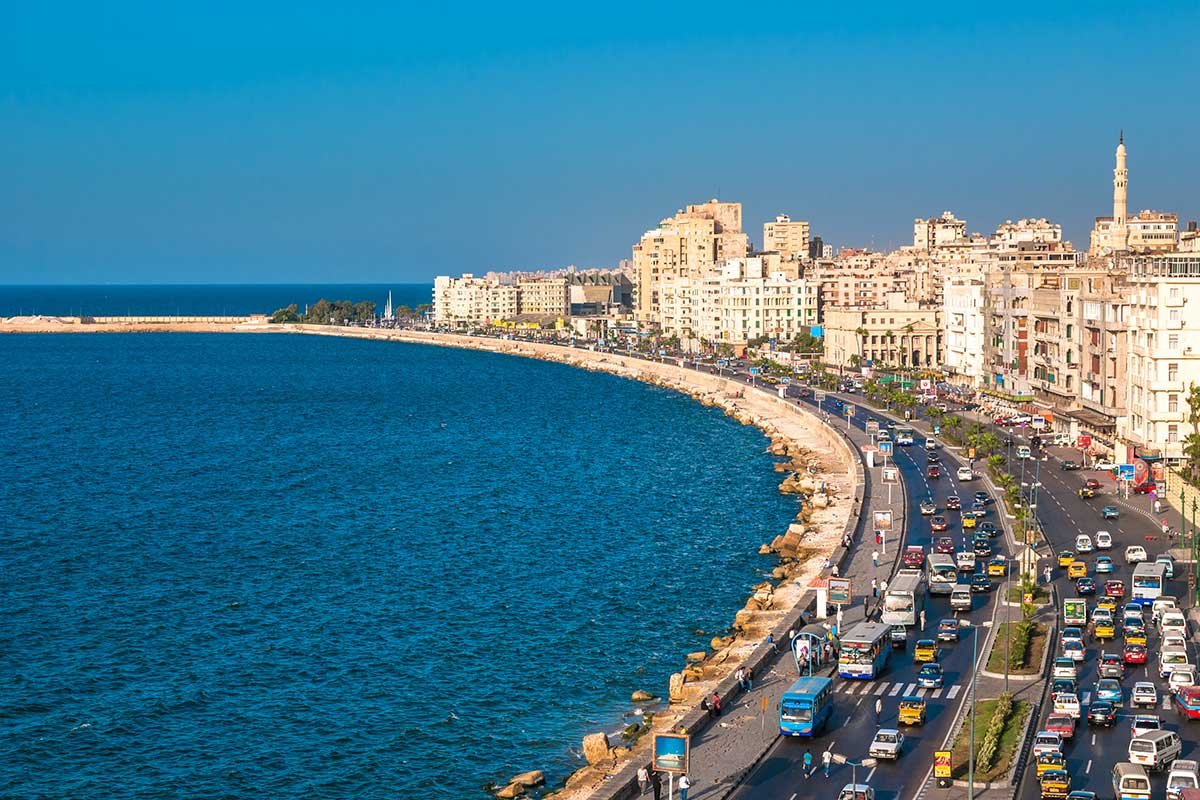

Introduction to Alexandria: A Jewel of the Mediterranean
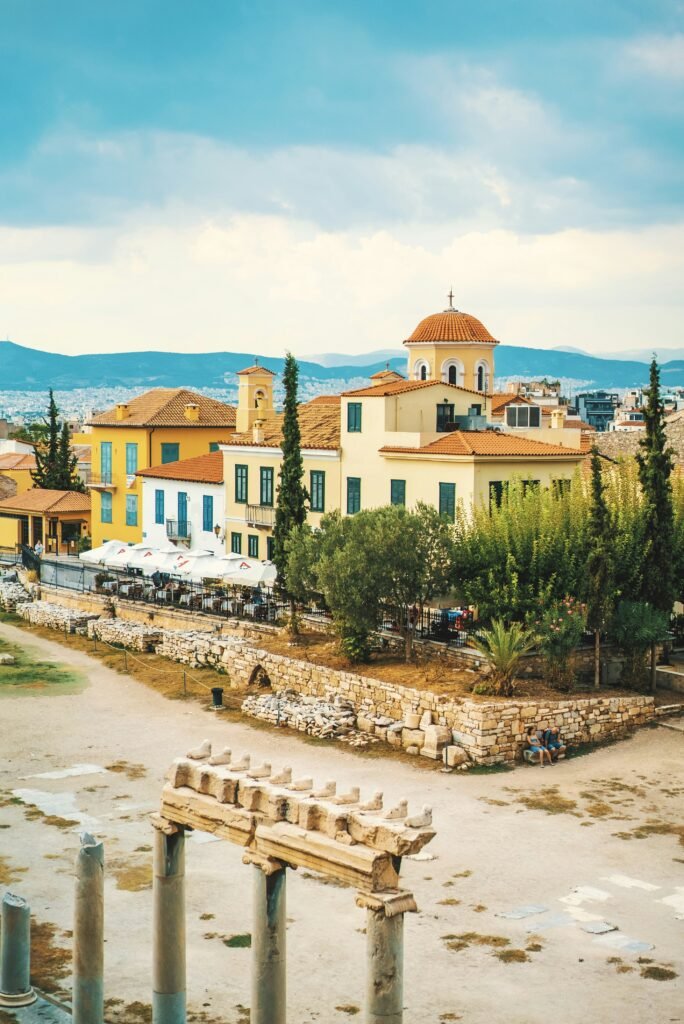
Situated on the northern coast of Egypt, Alexandria stands as a prominent city that harmonizes its ties to the Mediterranean Sea with its rich history and cultural heritage. Established in 331 BC by Alexander the Great, this city was envisioned as a great hub for trade and knowledge, leveraging its strategic location along the Mediterranean. Over the centuries, Alexandria has evolved into a vital center of commerce, learning, and cultural exchange, making it a cornerstone of Mediterranean civilization.
The city’s foundation by Alexander was marked by ambitious plans for development, leading to the establishment of significant infrastructures that would attract scholars, traders, and explorers alike. This initial vision transformed Alexandria into a melting pot of cultures, with influences from various civilizations converging in its vibrant streets. The Mediterranean environment further enriched this cultural tapestry, facilitating exchanges in philosophy, science, and art.
Alexandria was not just a critical commercial port but also home to the legendary Library of Alexandria, which was a beacon of knowledge and scholarship during ancient times. This library symbolized the city’s commitment to learning and innovation, drawing intellects from across the Mediterranean to share and expand their ideas. The legacy of Alexandria has endured through ages, inspiring countless generations and remaining a significant reference point in discussions about the ancient world.
In essence, Alexandria’s geographical position along the Mediterranean coast plays an integral role in its historical narrative. Its founding under Alexander the Great catalyzed the development of a city that would thrive as an epicenter of cultural and economic importance, influencing the trajectory of Mediterranean civilization significantly.
The Historical Significance of Alexandria
Founded in 331 BC by Alexander the Great, Alexandria quickly became a melting pot of different cultures and a pivotal city in ancient history. Its strategic location along the Mediterranean coast facilitated trade and cultural exchanges between the East and West. This vibrant city, known for its impressive architecture and cosmopolitan atmosphere, has played a crucial role in the development of various fields including science, philosophy, and commerce.
One of the most notable aspects of Alexandria was the establishment of the renowned Library of Alexandria, which was constructed to house a vast collection of texts from around the world. It is estimated that at its peak, the library contained around 700,000 scrolls, making it one of the largest and most significant libraries of the ancient world. Scholars from various disciplines were drawn to Alexandria, contributing to its reputation as a center of learning. Notable figures such as Euclid, who made significant advancements in geometry, and the great philosopher Plotinus, known for his work in Neoplatonism, contributed to the intellectual richness of the city.
Moreover, Alexandria served as a cultural crossroads where ideas and knowledge flowed freely. Its cosmopolitan character meant that it was home to different ethnic groups, cultures, and religions, allowing for diverse thought and innovation. The city’s bustling markets and thriving ports symbolized its importance in trade and commerce, which not only enabled wealth accumulation but also the diffusion of ideas across civilizations. The confluence of these factors solidified Alexandria’s status as a central player in the ancient world, influencing later generations and setting the stage for significant developments in areas ranging from science to literature.
Architectural Wonders: The Landmarks of Alexandria
Alexandria, a city steeped in history, boasts a remarkable array of architectural wonders that reflect its rich cultural heritage. From ancient marvels to modern constructions, the city’s landmarks offer a captivating glimpse into its past and present.
One of the most renowned structures is the Lighthouse of Alexandria, also known as the Pharos of Alexandria. Once considered one of the Seven Wonders of the Ancient World, this ancient lighthouse stood majestically on the island of Pharos, guiding ships safely to the harbor. Although the original structure no longer exists, its historical significance continues to inspire awe and interest, serving as a symbol of the city’s former glory.
Another iconic landmark is the Bibliotheca Alexandrina, a modern revival of the ancient Library of Alexandria that once served as a major center of scholarship in the ancient world. Opened in 2002, this architectural gem features a stunning contemporary design, complete with vast reading rooms and exhibition spaces, reinforcing Alexandria’s longstanding connection to knowledge and education.
Additionally, the Catacombs of Kom el Shoqafa provide a unique insight into the city’s architectural evolution. This underground necropolis, a blend of Egyptian, Greek, and Roman styles, showcases impressive tombs and intricate sculptures, highlighting the multicultural influences that have shaped Alexandria over centuries.
Furthermore, the Qaitbay Citadel stands as a testament to the city’s medieval architecture. Built on the exact site of the ancient lighthouse, the Citadel not only offers stunning views of the Mediterranean Sea but also serves as a reminder of Alexandria’s strategic importance throughout history.
In Alexandria, each architectural wonder tells a story, creating a vibrant tapestry that showcases the city’s dynamic heritage and unmatched beauty. The blend of ancient sites and modern ingenuity renders Alexandria a truly unique destination for architecture enthusiasts and history lovers alike.
Cultural Melting Pot: Alexandria’s Diverse Heritage
Alexandria, a prominent city along the Mediterranean coast, possesses a rich and varied cultural heritage that has been molded over centuries by numerous civilizations. Its unique position as a trading hub facilitated the interaction of diverse peoples, resulting in a vibrant cultural landscape shaped by Egyptian, Greek, Roman, and Arab influences. Each of these cultures has left an indelible mark on the city, contributing to its complex identity.
The Egyptian roots of Alexandria can be traced back to the time of its founding by Alexander the Great in 331 BC. The city’s establishment marked the beginning of a new era, where Hellenistic culture flourished alongside the ancient Egyptian customs. The Library of Alexandria stands as a testament to this period, serving as a symbol of the profound knowledge exchange that took place.
With the subsequent incorporation of Roman culture, Alexandria further evolved. The Roman Era introduced new architectural styles and governance, significantly impacting daily life and urban structure. Numerous ruins of Roman villas and public baths can still be witnessed today, showcasing the city’s historical ties.
Additionally, the emergence of Arab influence in the 7th century ushered in a new chapter, characterized by advancements in science, philosophy, and literature. Alexandria became a center for Islamic scholarship, enriching its cultural fabric with new customs and traditions. Festivals, culinary practices, and religious observances reflect the diversity of its constituents. For instance, local cuisine boasts a delightful blend of flavors from various cultures, combining spices and ingredients that narrate the city’s historical encounters.
In essence, Alexandria’s cultural diversity resonates through its traditions, festivals, and culinary delights, illustrating a rich tapestry woven from the threads of its numerous inhabitants. This vibrant exchange of ideas and practices is what makes the city not just a historic site, but a living heritage, inviting both residents and visitors to engage with its multifaceted identity.
The Mediterranean Influence on Alexandria’s Climate and Lifestyle
Alexandria’s unique position along the Mediterranean coastline bestows the city with a climate that is both temperate and inviting, characterized by hot summers and mild winters. This Mediterranean climate significantly influences the lifestyle and daily activities of its residents. The warm temperatures and abundant sunlight create ideal conditions for a variety of outdoor activities, which are integral to the Alexandrian way of life.
One of the most pronounced effects of Alexandria’s climate on local agriculture is the cultivation of diverse crops. The fertile lands surrounding the city benefit from the Mediterranean climate, which allows farmers to grow a range of fruits, vegetables, and grains throughout the year. Crops such as olives, tomatoes, and citrus fruits flourish in this environment, supporting both local consumption and export. This agricultural abundance not only enhances the quality of life for Alexandrians but also preserves traditional culinary practices rich in Mediterranean flavors.
The seafront and beaches of Alexandria are a central aspect of the city’s lifestyle, offering residents and visitors a plethora of leisure activities. The warm Mediterranean waters invite swimming, sailing, and fishing, while the sandy beaches provide a space for sunbathing and beach sports. Alexandria’s picturesque waterfront serves as a communal area where people gather, fostering social connections and a vibrant community spirit.
Moreover, the Mediterranean climate encourages outdoor dining and social gatherings, with numerous cafes and restaurants providing al fresco dining options. This culture of open-air leisure reflects the importance of outdoor life in Alexandria, making it an essential part of the city’s identity. Overall, the interplay between Alexandria’s Mediterranean climate and its lifestyle underscores the city’s charm and appeal, showcasing a harmonious blend of nature, agriculture, and community activities.
Exploring Alexandria’s Cuisine: A Taste of the Mediterranean
Alexandria, with its lavish history and coastal location, serves as a paradise for food enthusiasts, offering a vibrant culinary scene that beautifully merges Mediterranean flavors with local Egyptian ingredients. The city’s historic ties to various cultures have carved a unique identity for its cuisine, making it crucial for visitors to indulge in its diverse food offerings.
The traditional dishes of Alexandria, such as the famous fool medames and kofta, encapsulate the essence of Egyptian comfort food. Fool medames, a dish made from fava beans, is often enjoyed for breakfast, typically accompanied by olive oil, lemon, and spices. This dish is a staple not only in Alexandria but throughout Egypt, symbolizing the fusion of simplicity and tradition. Another must-try is the beloved seafood, freshly caught from the Mediterranean. Shawarma and grilled fish are favorites among locals and tourists alike, showcasing the freshness of the local catch.
Famous restaurants such as Fishawi’s and Abou El Sid provide exceptional dining experiences, where traditional meals are served in a warm, inviting atmosphere. These establishments are dedicated to preserving Alexandria’s culinary heritage while incorporating modern twists. Street food in Alexandria is equally noteworthy; vendors offering ful, ta’ameya (Egyptian falafel), and freshly squeezed juices create an approachable way to experience local flavors on the go.
The city’s food culture extends beyond just flavors. It represents a communal lifestyle where meals are shared and celebrated among friends and families. The various markets and eateries provide not only sustenance but also a glimpse into the daily life of Alexandrians, making culinary exploration a rich and rewarding part of any visit. Therefore, indulging in Alexandria’s cuisine is not just about eating; it is about experiencing the Mediterranean mosaic that the city proudly offers.
Alexandria, a city steeped in history, demonstrates a remarkable ability to harmonize its ancient heritage with the demands of modernity. The contemporary Alexandria is characterized by a blend of ancient architecture and modern infrastructure, showcasing a commitment to preserving its historical sites while accommodating the needs of a growing population. Major developments in urban planning have transformed areas of the city, improving public transportation and enhancing the quality of life for residents.
The modern skyline, which incorporates new office buildings, shopping centers, and recreational facilities, stands in contrast to the remnants of its illustrious past, such as the Citadel of Qaitbay and the Roman Amphitheatre. These historical landmarks not only serve as attractions for tourists but also as a source of pride for local residents. Alexandria’s local authorities have recognized the importance of sustaining the city’s identity, launching initiatives that promote historical awareness and cultural appreciation among both locals and visitors.
Cultural initiatives play a key role in Alexandria’s modern identity. Institutions such as libraries, museums, and galleries work diligently to showcase the city’s rich legacy while also encouraging contemporary artistic expressions. Events such as the Alexandria International Film Festival and various art fairs provide platforms for local talent and foster engagement with global artistic movements, creating a vibrant cultural scene that appeals to both domestic and international audiences.
Furthermore, the balance between tourism and local life is imperative for Alexandria’s ethos. While the city attracts millions of tourists drawn to its ancient sites and Mediterranean charm, the government emphasizes the need to ensure that this influx does not disrupt the daily lives of its residents. Efforts to promote sustainable tourism practices and involve local communities in the tourism sector help to preserve Alexandria’s unique character while supporting economic growth. Through these combined efforts, Alexandria stands as a modern city rooted in an extraordinary historical context, representing the convergence of the past and present.
How to Experience Alexandria: Travel Tips and Itineraries
Alexandria, a city steeped in history and culture, offers a multitude of experiences for travelers. To ensure a fulfilling journey, it is essential to plan your visit at the right time. The best months to explore Alexandria are from October to April when the weather is mild, allowing for comfortable sightseeing. During summer, the heat can be intense, making outdoor activities less enjoyable.
Among the must-visit attractions are the iconic Alexandria Library, which serves as a significant cultural hub, and the historic Citadel of Qaitbay, which provides a glimpse into the city’s storied past. The picturesque Corniche also offers stunning views of the Mediterranean Sea, perfect for leisurely strolls or enjoying local cuisine at seaside restaurants. Visitors should also not miss the catacombs known as Kom el Shoqafa, showcasing the city’s ancient influence and intricate architecture.
When traveling in Alexandria, being aware of cultural etiquette is crucial. The local population is known for its hospitality; thus, greeting people with politeness will enhance your interactions. Dress modestly, especially when visiting religious sites, and remember to respect local customs and rituals. Learning a few basic Arabic phrases can also enrich your experience and foster goodwill with the residents.
For varied experiences, consider your itinerary based on interests. History enthusiasts may want to dedicate ample time to museums and archaeological sites, while food lovers can indulge in a culinary exploration of traditional Egyptian cuisine. Families may find it beneficial to seek attractions with kid-friendly activities, such as the Alexandria Aquarium or beaches.
Incorporating a mix of cultural, historical, and recreational activities into your travel agenda will help you appreciate the essence of Alexandria. Tailoring your itinerary based on your interests, along with adhering to local customs, ensures a richer and more connected experience in this remarkable Mediterranean city.
Conclusion: The Enduring Legacy of Alexandria
Throughout history, Alexandria has served as a pivotal point in the development of Mediterranean civilization. Established as a beacon of knowledge and cultural exchange, it became renowned for its Great Library, which symbolized the pursuit of learning and intellectual advancement. The city, founded by Alexander the Great, transformed into a melting pot where diverse cultures mingled, creating a rich tapestry of traditions, philosophies, and languages.
The enduring legacy of Alexandria can be observed not only in its ancient landmarks but also in the continuous influence it exerted over the Mediterranean world. Its strategic location facilitated trade routes that connected various regions, allowing the flow of goods and ideas. This vibrant exchange undoubtedly shaped the evolution of art, science, and spirituality in the surrounding areas, making Alexandria a cornerstone of cultural heritage.
Moreover, Alexandria’s history is a testament to the resilience of its people and their ability to adapt to changing times. Even as it faced various challenges throughout the centuries, including wars and invasions, the spirit of Alexandria remained unbroken. The city’s capacity to reinvent itself while preserving its unique identity reinforces its status as a historical icon.
Today, Alexandria stands as a bridge between the past and present, inviting visitors to explore its ancient sites and learn from its storied history. The lessons derived from the city’s multifaceted past serve to enrich contemporary understanding and appreciation of Mediterranean culture. As we reflect on Alexandria’s lasting impact, it is clear that this remarkable city will continue to inspire future generations, embodying the enduring legacy of human achievement and intellectual curiosity.