


Introduction to the Egyptian Museum
The Egyptian Museum, located in the heart of Cairo, stands as a monumental testament to Egypt’s rich ancient history and culture. Established in 1902, this museum houses the largest collection of ancient Egyptian antiquities in the world, making it a pivotal site for archaeologists, historians, and tourists alike. Visitors to the museum are greeted with a stunning array of artifacts that provide profound insights into the civilization that flourished along the banks of the Nile over five millennia ago.
Situated in Tahrir Square, the museum’s location is significant, as it places visitors at the center of modern Cairo, linking the vibrant life of the city with its historical roots. The museum features over 120,000 items, including mummies, jewelry, and monumental sculptures, each telling a part of the story of ancient Egypt. The items are arranged chronologically, allowing guests to follow the evolution of Egyptian culture through the ages and appreciate the artistry and craftsmanship that have survived the sands of time.
The architectural design of the Egyptian Museum itself reflects the neoclassical style, designed by French architect Marcel Dourgnon. Its grand façade and expansive collection rooms invite exploration and discovery, making it a suitable environment for engaging with the past. This museum not only preserves the artifacts of ancient Egypt but also serves as a cultural hub, fostering a deeper understanding of Egypt’s impact on world history. In this way, the Egyptian Museum continues to play an integral role in educating generations about the grandeur of one of history’s most influential civilizations.
The Grand Egyptian Museum: A New Era of Exhibition
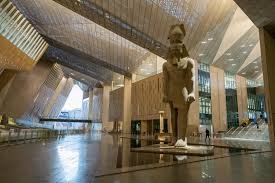
The Grand Egyptian Museum (GEM), which is set to redefine the cultural landscape of Cairo, marks a significant milestone in the preservation and presentation of ancient Egyptian civilization. Located near the iconic Giza Plateau, the GEM assumes an important role as a complement to the existing Egyptian Museum, providing an expansive and modern venue for the display of this rich heritage. The museum’s vision is to educate and inspire visitors while highlighting the depth and diversity of artifacts from ancient Egypt.
Constructed with state-of-the-art architecture, the Grand Egyptian Museum boasts a design that embraces both contemporary aesthetics and functionality. The building itself, designed by the renowned architecture firm Heneghan Peng, reflects the grandeur of ancient Egyptian culture through its geometric forms and expansive spaces. The layout is specifically aimed at optimizing visitor flow, ensuring that everyone can experience the treasures with ease and comfort. The use of natural light throughout the galleries enhances the ambiance, allowing artifacts to be displayed in a way that resonates with their historical significance.
Advanced facilities are a hallmark of the Grand Egyptian Museum, as it incorporates cutting-edge technology to enhance visitor engagement. Interactive displays, augmented reality features, and multimedia presentations provide a dynamic experience, allowing guests to delve deeper into stories behind the artifacts. The GEM not only focuses on showcasing the exhibits but also emphasizes the educational aspect, with dedicated spaces for workshops, lectures, and events that foster a better understanding of ancient Egyptian traditions and innovations.
The Grand Egyptian Museum is a testament to the ongoing commitment to preserving Egypt’s historical legacy. It is poised to become a leading destination for scholars and tourists alike, serving as a bridge between the past and the future. As a modern complement to the long-established Egyptian Museum, the GEM represents a new era in the exhibition of ancient wonders, delivering an enriched cultural experience that honors the legacy of one of the world’s oldest civilizations.
History of the Egyptian Museum
The Egyptian Museum, located in Cairo, boasts a rich and fascinating history that reflects the cultural heritage of Egypt. Established in 1858, it originally served as a private museum, housing an impressive collection of antiquities gathered by the French archaeologist, Auguste Mariette. The museum was officially opened to the public in 1902 in its current location in Tahrir Square, designed by the celebrated architect Marcel Dourgnon.
Throughout its history, the museum has undergone several significant transformations and expansions. The first director of the museum was Mariette himself, who was instrumental in amassing the museum’s initial collection. Under his guidance, the museum began to serve as a critical institution for studying and preserving Egypt’s ancient treasures. As the collection grew, it became evident that more space was required to adequately display the increasing number of artifacts.
In the 20th century, the Egyptian Museum became renowned for its unparalleled collection of ancient Egyptian artifacts, including an extensive array of mummies, jewelry, and monumental sculptures. Significant renovations took place in the intervening years, one of which occurred in the 1980s, leading to major improvements in exhibition techniques and visitor facilities. These enhancements contributed to a more engaging experience for patrons, solidifying the museum’s status as a central hub for Egyptology.
In recent years, plans have been set in motion for the establishment of the Grand Egyptian Museum, intended to be located near the Giza pyramids, which promises to house even more of the country’s ancient artifacts. This new institution is part of an ongoing effort to not only preserve the rich history of ancient Egypt but also to modernize its representation for future generations. The evolution of the Egyptian Museum truly encapsulates the dynamic interplay between historic heritage and contemporary advancements in cultural presentation.
Masterpieces of Ancient Egyptian Art
The Egyptian Museum in Cairo is renowned for its extensive collection of artifacts, many of which are masterpieces that reflect the rich artistic heritage of ancient Egypt. Among the most iconic artifacts is the gold mask of Tutankhamun, which exemplifies the extraordinary craftsmanship of ancient artisans. This exquisite piece, made from gold and adorned with lapis lazuli, represents the pinnacle of funerary art and showcases the intricate techniques used in goldsmithing during the New Kingdom period.
Another remarkable artifact is the statue of Khafre, which exemplifies the idealization of the pharaoh in ancient Egyptian sculpture. Carved from diorite, a stone known for its durability, this statue reveals the meticulous carving techniques employed by artisans to achieve lifelike representation while maintaining a sense of timelessness. The statue’s portrayal of Khafre, adorned with the traditional nemes headdress, not only highlights the religious significance of the pharaoh but also speaks to the cultural values of power and divinity that permeated ancient Egyptian society.
Furthermore, the museum houses an impressive collection of ancient jewelry, including elaborate necklaces, bracelets, and rings, which reflect the artistic flair and technical skills of their creators. These ornaments were typically crafted using gold, semi-precious stones, and intricate beadwork, all of which underline the symbolic meanings attached to adornment in ancient Egyptian culture, such as protection and prosperity. Pottery artifacts, too, play a crucial role in understanding daily life in ancient Egypt, with beautifully painted vessels that exhibit both utility and artistry. The use of natural dyes and techniques reveals the sophisticated understanding of materials by ancient artisans, giving insights into their daily practices and cultural significance.
In essence, the masterpieces housed within the Egyptian Museum not only serve as visual spectacles but also as historical narratives that capture the mastery and cultural significance of ancient Egyptian art.
The Treasures of Tutankhamun
The discovery of Tutankhamun’s tomb in 1922 by the British archaeologist Howard Carter marked a pivotal moment in the study of ancient Egyptian civilization. This finding not only unveiled a wealth of items but also provided invaluable insights into the life and culture of the 18th Dynasty Pharaoh. Tutankhamun, often referred to as King Tut, ruled during a period that has become symbolic of the glory of ancient Egypt, and the treasures found in his tomb have captivated the world for decades.
Among the most notable artifacts are the intricately designed golden mask of Tutankhamun, which is emblematic of his burial grandeur, and the lavish jewelry that adorned the pharaoh. These artifacts reflect the exceptional craftsmanship of the time and elucidate the burial practices associated with esteemed figures in ancient Egypt. The artifacts were not merely decorative; they were believed to serve a purpose in the afterlife, assisting the pharaoh in navigating the journey beyond death.
The tomb’s treasures also included furniture, ceremonial items, and everyday objects that hinted at the lifestyle and preferences of Tutankhamun. Each artifact tells a story, offering a glimpse into the distinct Egyptian beliefs regarding death and the afterlife. The impact of these discoveries extends beyond mere aesthetics; they have transformed our understanding of ancient Egyptian social structures, religious beliefs, and cultural practices.
As visitors to the Egyptian Museum in Cairo admire these items, they become part of a narrative that stretches back thousands of years, deepening their appreciation for the complexities of ancient Egyptian history. The treasures of Tutankhamun remain a significant focal point for both scholars and tourists alike, underscoring their lasting relevance in the study of ancient civilizations.
Highlights of the Museum’s Collections
The Egyptian Museum in Cairo, housing over 120,000 artifacts, offers a fascinating journey through ancient Egyptian civilization. Among its most celebrated highlights are the mummies, the Royal Gallery, and a range of artifacts from different historical periods. Each of these exhibits holds immense historical significance and showcases the richness of Egypt’s cultural heritage.
One of the most compelling attractions is the museum’s collection of royal mummies, which have captivated visitors for decades. These royal mummies, including that of Pharaoh Ramses II, provide a glimpse into the practices surrounding death and afterlife beliefs in ancient Egypt. Their preservation through meticulous embalming practices offers scholars invaluable insights into medical and funerary customs.
Another prominent feature is the Royal Gallery, which presents the majestic treasures of Tutankhamun. This section includes the famous gold mask, which epitomizes the artistry and craftsmanship of ancient Egypt. The artifacts found in Tutankhamun’s tomb not only highlight the opulence of the 18th dynasty but also illustrate the significance of burial rituals and the belief in the afterlife during that era.
In addition to mummies and treasures, the museum features a plethora of artifacts from various historical periods, such as Old, Middle, and New Kingdom objects. Items like statuary, pottery, and jewelry reveal the everyday lives and beliefs of ancient Egyptians. Each piece is a testament to the artistic talent and technological advances of its time, enriching the visitor’s understanding of a civilization that continues to fascinate people today.
Overall, these highlights of the Egyptian Museum’s collections not only attract visitors but also stand as a monument to the complexity and grandeur of ancient Egyptian culture.
Visitor Information and Tips
The Egyptian Museum in Cairo stands as a beacon of ancient history, attracting millions of visitors each year. Understanding the practicalities of your visit can enhance your experience significantly. The museum is open daily from 9:00 AM to 5:00 PM, allowing ample opportunity for exploration. It’s advisable to arrive early to avoid crowds, particularly during peak tourist seasons.
Admission to the museum is reasonably priced, with ticket fees varying for local and international visitors. A standard ticket for foreign tourists typically costs around 200 Egyptian pounds, and discounted rates may apply for students with valid IDs. Consider checking the museum’s official website for any updates on ticket prices or special exhibitions that might feature additional costs.
To maximize your experience, a recommended itinerary includes starting with the Royal Mummy Room, home to some of Egypt’s most revered pharaohs. Following this, spend time in the collection showcasing the treasures of Tutankhamun, which captivates visitors with its sheer grandeur. For those keen on a more in-depth exploration, guided tours are available, offering a wealth of knowledge about the artifacts and their historical significance.
Navigating the museum can be overwhelming due to the vast number of exhibits. It’s beneficial to acquire a museum map upon entry which highlights must-see sections. Additionally, structured audio guides can provide fascinating insights while allowing you to explore at your own pace. Special programs and lectures may be offered during specific days of the week, enriching your visit through educational experiences.
In essence, pre-planning will enhance your journey through the Egyptian Museum. Arrive early, consider guided tours, and don’t rush; take the time to truly absorb the wealth of history around you.
The Impact of the Museum on Egyptian Identity
The Egyptian Museum in Cairo stands as a prominent institution that plays a significant role in shaping the national identity of Egypt. Established to preserve and showcase the rich tapestry of Egyptian history, the museum acts as a repository of artifacts that encapsulate millennia of cultural heritage. Through its extensive collections, which include treasures from the time of the Pharaohs, the museum stimulates a sense of pride among Egyptians and fosters a deeper understanding of their historical narrative.
As a cultural landmark, the museum also serves as an essential educational resource. It provides both locals and tourists with the opportunity to engage with Egypt’s ancient civilizations through interactive exhibits and informative displays. This facilitates a robust exchange of knowledge, allowing visitors to appreciate the sophistication and achievements of ancient Egyptian society. In doing so, the museum strengthens the connection that modern Egyptians feel towards their ancestors, reinforcing cultural continuity and collective identity.
Moreover, the Egyptian Museum is a symbol of national pride. It highlights Egypt’s significant contributions to human history and fosters an appreciation for its role in global heritage. For many Egyptians, the museum is not merely a site for exhibition but a space where the stories of their ancestors are vividly brought to life, echoing the aesthetic and intellectual triumphs of bygone eras. By celebrating its ancient past, the museum contributes to a contemporary understanding of what it means to be Egyptian, instilling a sense of responsibility to preserve this rich history for future generations.
The Future Vision of the Grand Egyptian Museum
The Grand Egyptian Museum (GEM), a landmark marvel located in Giza, is set to become a beacon of Egypt’s cultural heritage in the years to come. Once it officially opens, the museum aims not only to showcase the treasures of ancient Egypt but also to engage a global audience through innovative exhibitions and interactive experiences. The GEM is envisioned as a hub for cultural exchange, where visitors from around the world can appreciate Egypt’s rich history while gaining insights into its contributions to human civilization.
Looking ahead, the Grand Egyptian Museum plans to host a series of temporary exhibitions that will spotlight various themes—such as the daily life of ancient Egyptians, their art, and their advancements in science—which will rotate throughout the year. These exhibitions are intended to utilize modern technology, including augmented and virtual reality, which will offer an immersive experience, allowing visitors to interact with artifacts in ways previously unimaginable.
Furthermore, the GEM’s strategic collaborations with international museums and cultural institutions will facilitate a dynamic exchange of exhibitions. This approach aims to not only bolster the museum’s standing on a global scale but also contribute to the preservation of artifacts through shared knowledge on conservation techniques. The museum’s commitment to employing cutting-edge technology in curatorial practices will safeguard artifacts for future generations and ensure that the story of ancient Egypt continues to be told efficiently.
The importance of education and outreach cannot be overstated. The Grand Egyptian Museum aspires to become a cornerstone for academic scholarship, offering programs and workshops that will engage students and researchers. In doing so, the museum hopes to inspire a new generation of scholars who will continue the work of preserving and understanding Egypt’s ancient legacy.