

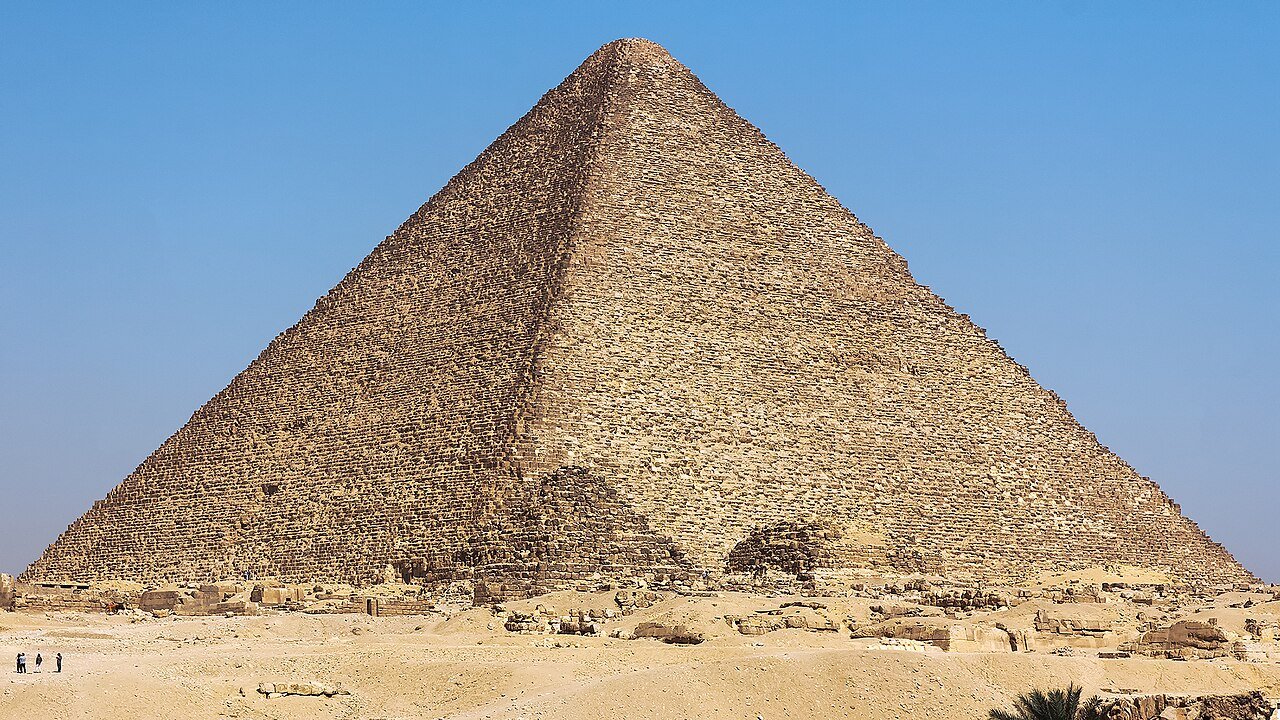

Exploring the Pyramids of Giza: History, Facts, and Fascinating Insights
Introduction to the Pyramids of Giza
The Pyramids of Giza, located on the outskirts of Cairo, Egypt, are renowned as one of the Seven Wonders of the Ancient World. Serving as monumental tombs, these architectural marvels were constructed during the Fourth Dynasty of the Old Kingdom, approximately 2580 to 2560 BCE. The most iconic among them is the Great Pyramid, attributed to Pharaoh Khufu, which stands as a testament to the engineering prowess and artistic expression of ancient Egyptian civilization.
These pyramids were not merely grand structures; they were part of a larger complex that illustrated the Egyptians’ elaborate beliefs about the afterlife and the cosmos. The precise alignment of the pyramids with the cardinal points and significant celestial bodies suggests an advanced understanding of astronomy. This alignment raises numerous questions regarding the builders’ intentions and the techniques employed in their construction.
Moreover, the Pyramids of Giza are of great cultural importance and have inspired countless theories regarding their purpose. Some historians posit that these monumental tombs served as gateways for the pharaohs to ascend to the divine, while others suggest they were designed to reflect the pharaoh’s power and wealth. The societal structure that supported this endeavor, including the labor force responsible for the pyramids’ construction, remains a subject of ongoing research and debate.
As we delve deeper into the history, facts, and fascinating insights surrounding the Pyramids of Giza, we will explore not only their architectural significance but also the mysteries surrounding the ancient civilization that erected these enigmatic and awe-inspiring structures. What tools did they use? How did they achieve such precision? The answers to these questions continue to draw researchers and visitors alike to this remarkable site.
History and Construction of the Pyramids
The Pyramids of Giza, particularly the Great Pyramid, were constructed during the Fourth Dynasty of the Old Kingdom of Egypt, which spans from about 2613 to 2494 BC. This era marked significant developments in architectural techniques and state organization, with the construction of these monumental structures reflecting the power and ambition of the pharaohs, especially Pharaoh Khufu, also known as Cheops. Under Khufu’s reign, which is estimated to have lasted roughly from 2589 to 2566 BC, the Great Pyramid was built as a tomb to fulfill the pharaoh’s yearning for immortality.
The construction techniques employed in the building of the pyramids have long fascinated historians and archaeologists. It is widely believed that a large labor force, estimated to number in the tens of thousands, was recruited from the peasant population, particularly during the flood season when agricultural work was minimal. Contrary to popular belief, these workers were likely not slaves but rather skilled laborers who received sustenance, shelter, and compensation for their work. This social organization foreshadowed advancements in the management of large-scale projects.
Regarding materials, the primary substance used in pyramid construction was limestone, which was quarried locally. Higher-quality limestone was used for the outer casing, while granite, which was quarried from Aswan, was utilized in some internal structures. The transportation of these massive stone blocks remains a topic of research and debate; however, recent studies suggest that the use of sledges lubricated with water may have facilitated easier movement. The ability to execute such ambitious engineering tasks showcased advancements in mathematics and physics, contributing to the enduring legacy of the Pyramids of Giza as a testament to ancient Egyptian civilization.
The Great Pyramid of Giza: Facts and Figures
The Great Pyramid of Giza, a remarkable feat of ancient engineering, stands as the largest of the three pyramids located on the Giza plateau in Egypt. Originally constructed as a tomb for the Pharaoh Khufu, also known as Cheops, this monumental structure showcases the refinement of ancient Egyptian architectural techniques. With a base length of approximately 230.4 meters (756 feet) on each side, the Great Pyramid once reached an impressive height of about 146.6 meters (481 feet). However, due to the loss of the outer casing stones over millennia, its current height measures around 138.8 meters (455 feet).
The pyramid’s estimated weight is around 6.5 million tons, comprising an astonishing 2.3 million blocks of limestone and granite, each weighing between 2.5 to 15 tons. The construction of such a colossal structure remains a topic for scholarly debate, with theories ranging from ramps and levers to advanced techniques yet to be comprehensively understood. The architectural design of the Great Pyramid includes intricate internal chambers, such as the King’s Chamber, which houses a granite sarcophagus, and the Queen’s Chamber, an area shrouded in mystery and speculation due to its less prominent features.
One of the pyramid’s most fascinating attributes is its precise alignment with the cardinal points; the sides of the Great Pyramid are oriented with remarkable accuracy to the north, south, east, and west. This alignment suggests that the builders had an impressive understanding of astronomy and the earth’s geography. Furthermore, the original white Tura limestone casing stones were polished to reflect sunlight, causing the pyramid to shine brightly during the day. This not only illustrates the grandeur of the pyramid but also reflects the significance of the sun in ancient Egyptian cosmology.
The Role of the Pyramids in Ancient Egyptian Society
The pyramids of Giza stand as monumental testaments to the cultural and religious beliefs of ancient Egyptian society. Constructed primarily as tombs for pharaohs, these grand structures not only served as final resting places for the deceased rulers but also played a critical role in the Egyptian concept of the afterlife. The ancient Egyptians held a deep-seated belief that life continued after death, and the pyramids were designed to facilitate this journey into the next world.
Pharaohs were considered divine figures, serving as intermediaries between the gods and the people. Their burial within these elaborate structures reflected their elevated status and reinforced the social hierarchy of ancient Egypt. The pyramids were constructed with precision to ensure that the pharaoh’s body would be preserved, allowing their spirit to thrive in the afterlife. This preservation was not merely physical; it was also linked to the rituals and offerings made by living relatives to honor the deceased. Such practices were integral to the social fabric of ancient Egyptian society, establishing a continuous bond between the living and the dead.
The design and construction of the pyramids also encapsulated the technological and organizational prowess of ancient Egypt. They required a large workforce, skilled labor, and substantial resources, indicating a well-structured society with a complex administration. The pyramids thus symbolized not only royal power but also the collective effort of the community in serving their leaders’ afterlife needs.
Ultimately, the pyramids transcended their physical presence as mere tombs; they were spiritual gateways. They played an essential role in affirming the ancient Egyptians’ beliefs in immortality, reinforcing their social cohesion through shared religious practices. This interplay between the pyramids, religion, and social structure exemplifies the integral role these architectural marvels held in shaping ancient Egyptian civilization.
Archaeological Discoveries and Research
The Pyramids of Giza have been subjects of extensive archaeological research over the years, yielding numerous discoveries that have significantly enhanced our understanding of ancient Egyptian civilization and the monumental structures themselves. Notably, the Great Pyramid of Giza, constructed during the Fourth Dynasty of the Old Kingdom, has undergone extensive excavation efforts, revealing a wealth of information about its construction techniques and the lives of those who built it.
Recent archaeological findings have utilized advanced technology such as ground-penetrating radar and 3D imaging, which have uncovered hidden chambers and pathways within the pyramids. For instance, the Scan Pyramids project has successfully identified voids and possibly unexcavated areas within the structures, raising intriguing questions about their purpose and the methods employed by ancient builders. These technological advancements have not only aided in identifying hidden features but have also minimized the disruption caused by traditional excavation methods.
One of the most enlightening discoveries relates to the political and social structures of ancient Egypt, as revealed by remnants found in proximity to the pyramids. Excavations of workers’ villages have uncovered evidence suggesting that the pyramid builders were not slaves, as long believed, but rather a skilled workforce composed of laborers who were well-fed and organized. Tools, pottery, and remnants of food have provided insights into the daily lives of these workers, indicating a highly structured and labor-supportive community.
Furthermore, ancient writings and inscriptions discovered within the burial sites and surrounding areas have detailed the religious beliefs and cultural practices of the time. This archaeological research continues to redefine our understanding of the social dynamics that permeated the civilization, as well as the logistical challenges faced during the engineering feats involved in the pyramids’ construction.
In summary, archaeological discoveries at the Pyramids of Giza are vital in piecing together the complexities of ancient Egyptian society, reflecting both its technological capabilities and cultural dimensions, thereby enriching our comprehension of this remarkable civilization.
Legends and Theories Surrounding the Pyramids
The Pyramids of Giza, particularly the Great Pyramid, have captivated human imagination for centuries, leading to a plethora of legends and theories regarding their construction and purpose. Among the most intriguing theories is the notion that extraterrestrial beings may have played a role in the building of these monumental structures. Proponents of this theory suggest that the advanced technology required to transport massive stone blocks and achieve precise alignments could not have been accomplished by the ancient Egyptians alone. Such claims, often grounded in anecdotal accounts and speculative interpretations, have circulated widely, captivating those intrigued by the possibility of ancient alien visitors.
In contrast to these more sensational theories, numerous historical researchers advocate for traditional views based on archaeological evidence and historical records. They emphasize the sophisticated engineering, labor organization, and architectural skills of the ancient Egyptians, which were certainly advanced for their time. Evidence of skilled labor crews, quarrying techniques, and logistical planning has been uncovered, illustrating that the construction of the pyramids was a monumental national effort, rather than the work of an alien civilization. This perspective is further supported by inscriptions and artifacts that chronicle the lives of the workers involved.
Additionally, various mythical narratives have emerged, often embedding the pyramids within a broader cosmological or spiritual context. These narratives suggest that the pyramids served as gateways to the afterlife or as tombs designed to facilitate the ascension of pharaohs to the heavens. This aligns with ancient Egyptian beliefs about the afterlife, delineating the pyramids not only as architectural feats but also as significant religious symbols. Over the years, the intermingling of myth with historical fact continues to spark debate among scholars and enthusiasts alike, ensuring that the Pyramids of Giza remain a source of fascination and inquiry.
The Pyramids of Giza Today: Conservation and Tourism
The Pyramids of Giza, some of the most enduring symbols of ancient Egyptian civilization, face a unique set of challenges today as they strive to maintain their structural integrity while accommodating millions of visitors annually. The ongoing efforts to preserve these iconic monuments are critical for future generations, making the management of the site both a cultural and logistical priority.
Conservation initiatives at Giza involve comprehensive measures aimed at protecting the pyramids from both natural and human-induced damage. Environmental factors, such as pollution and erosion, pose significant threats to the durability of these ancient structures. To combat these effects, the Egyptian government, along with international partners, is actively engaged in preservation projects that include regular monitoring of the surrounding environment, implementing protective barriers, and utilizing advanced restoration techniques.
Tourism is another pivotal aspect that impacts the Pyramids of Giza. The site attracts millions of tourists each year, which brings economic benefits but also exacerbates wear and tear on the ancient stones. Efforts to manage tourism include regulating the number of visitors allowed daily, establishing designated paths to limit foot traffic on vulnerable areas, and enhancing visitor education through guided tours and informational signage. These initiatives are tailored to balance the influx of tourists with the necessity of preserving the pyramids.
Moreover, the government has emphasized the importance of sustainable tourism practices. By promoting responsible travel, it hopes to foster a deeper appreciation of the Pyramids of Giza and their historical significance. This includes encouraging respectful behavior among tourists and raising awareness of the need for conservation. The combined efforts of preservation and managed tourism play a crucial role in ensuring the longevity of the Pyramids of Giza, allowing them to continue to inspire and inform visitors for generations to come.
Cultural Impact and Representation in Modern Media
The Pyramids of Giza, standing as a testament to ancient engineering and civilization, have permeated modern media in myriad ways, shaping perceptions of Egypt and its rich history. Over the years, these magnificent structures have served as a backdrop for countless films, television shows, and documentaries. Notable films such as “The Mummy” and “Transformers: Revenge of the Fallen” utilize the pyramids not just as visual spectacles but as pivotal plot elements that drive the narrative forward. This cinematic representation often invokes themes of adventure and mystery that captivate audiences, prompting a fascination with ancient Egypt.
In literature, the Pyramids have inspired countless authors, appearing in works ranging from academic texts to fiction, where they are often romanticized or shrouded in mystique. Authors frequently explore the symbolism of the pyramids, examining their connotations of immortality and grandeur. Such literary representations amplify public interest in these ancient monuments, making them accessible to those who may have never considered visiting the historical site.
Moreover, the Pyramids of Giza have found a prominent place in various art forms, including paintings, sculptures, and video games. Artists depict these structures, projecting personal interpretations while celebrating their architectural wonder. This artistic engagement fosters a deeper cultural appreciation and raises awareness of Egypt’s historical legacy among younger generations. The modern media landscape continuously evolves, yet the consistent portrayal of the pyramids serves to intrigue and inspire countless individuals, ultimately influencing their desire to experience the grandeur of these wonders firsthand.
Conclusion: The Enduring Legacy of the Pyramids
The Pyramids of Giza stand as some of the most remarkable achievements of ancient engineering and architecture, continuing to captivate visitors and scholars alike. These monumental structures not only reflect the skill and ingenuity of their builders but also serve as a profound testament to the cultural and religious beliefs of ancient Egypt. Over the centuries, the pyramids have transcended their original purpose as tombs for pharaohs, evolving into iconic symbols of human endeavor and ambition.
Throughout this exploration, we have highlighted key aspects of the pyramids, including their size, construction techniques, and the historical context that led to their creation. The Great Pyramid of Khufu, the largest of the trio, showcases the advanced understanding of mathematics and astronomy possessed by the ancient Egyptians. Furthermore, the intricate burial practices and monumental inscriptions found within these structures provide invaluable insights into the civilization’s beliefs regarding the afterlife.
In today’s context, the Pyramids of Giza continue to attract millions of tourists and researchers each year, reaffirming their role as significant cultural landmarks. They inspire modern architects and engineers as they explore design concepts rooted in durability and functionality. Additionally, the pyramids remind us of the importance of heritage conservation, spurring global efforts to preserve such invaluable sites for future generations.
Ultimately, the Pyramids of Giza embody an enduring legacy that resonates through time, representing not just the past achievements of a civilization long gone, but also the universal themes of human perseverance, creativity, and the quest for excellence. Appreciating these structures encourages us to reflect on our own contributions to history and the lasting impacts we wish to leave behind.
One response to “Pyramids of Giza”
Hi, this is a comment.
To get started with moderating, editing, and deleting comments, please visit the Comments screen in the dashboard.
Commenter avatars come from Gravatar.